Palestine Emergency Appeal

UP TO DATE as of 27/6/2026

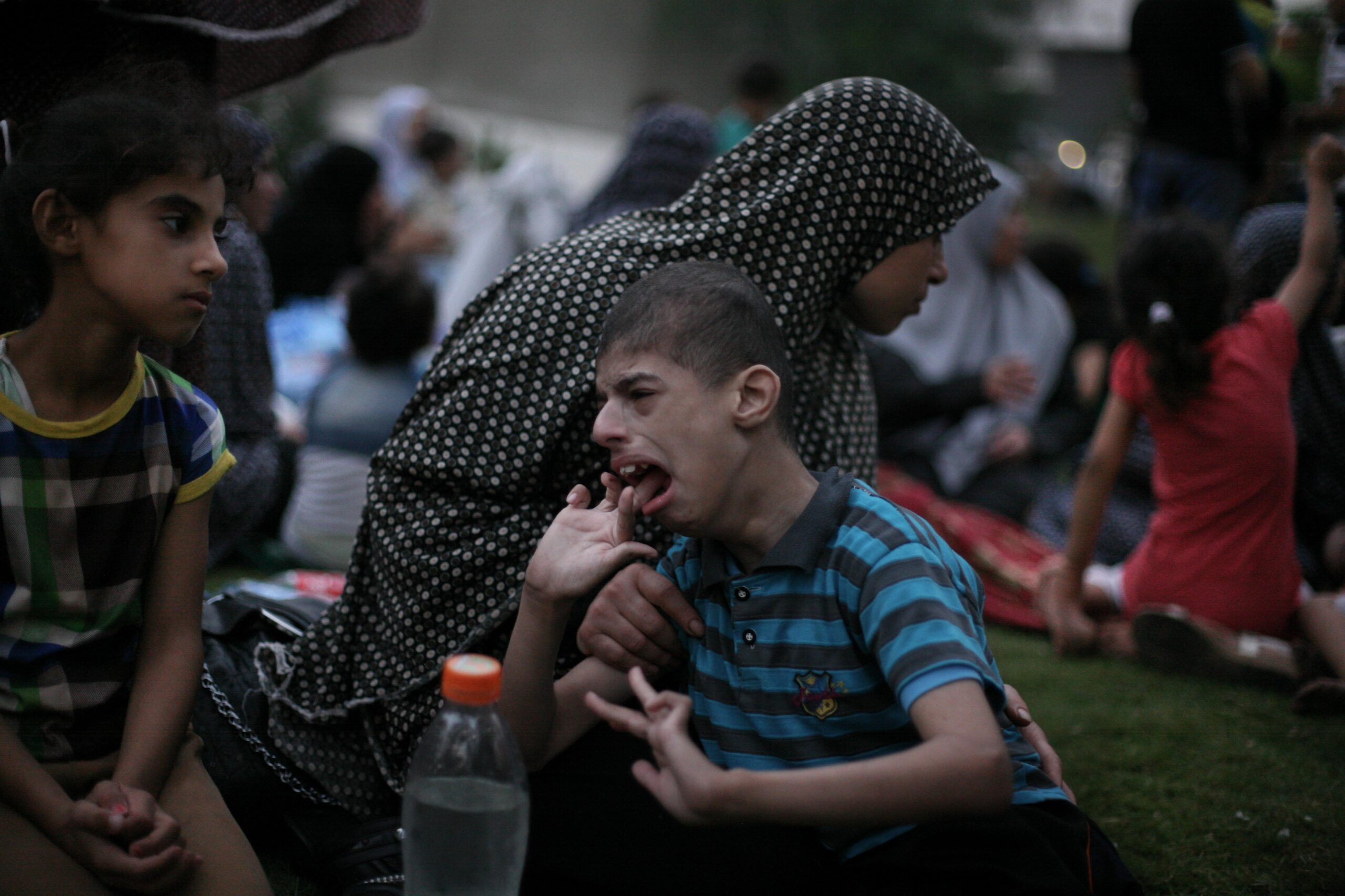
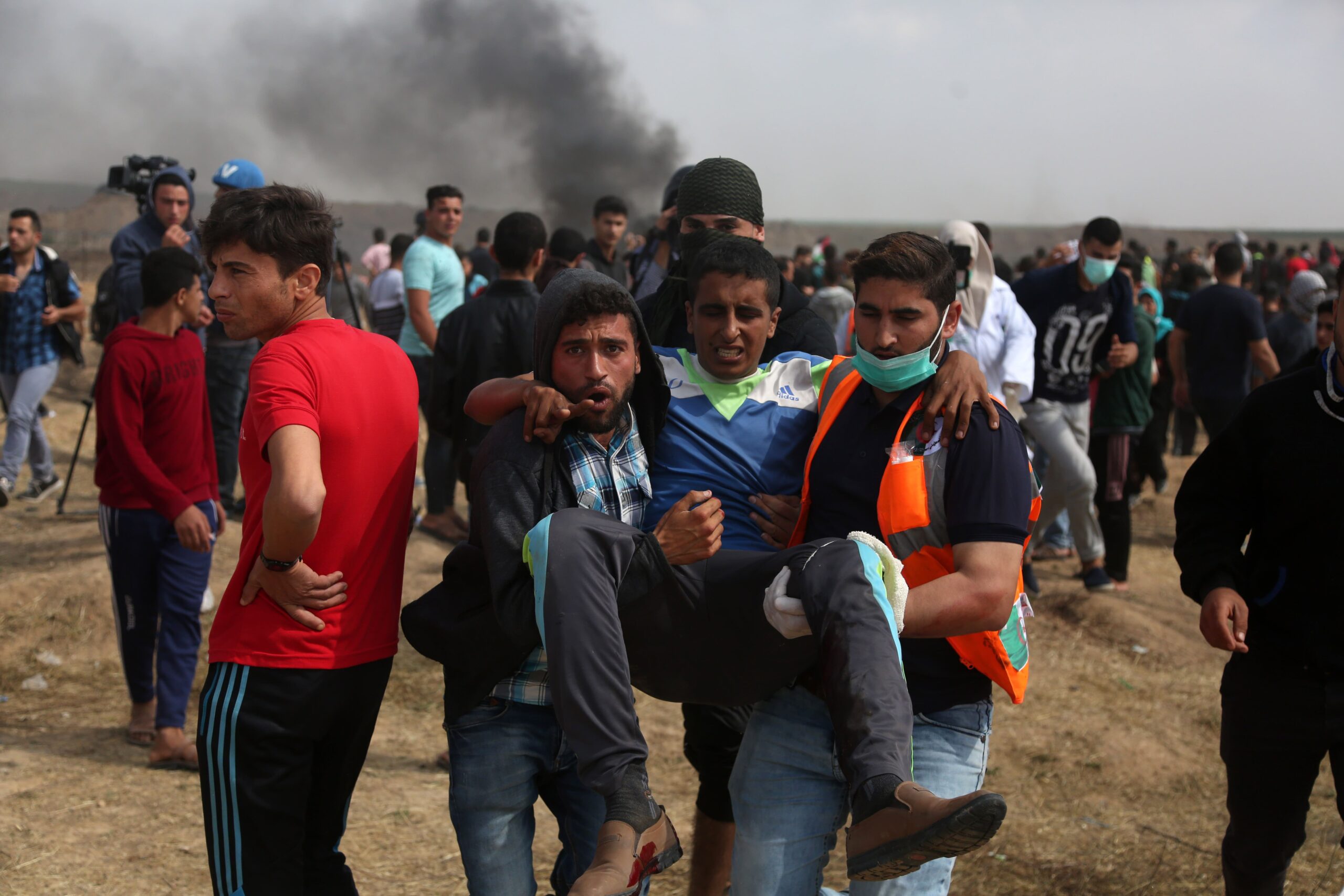
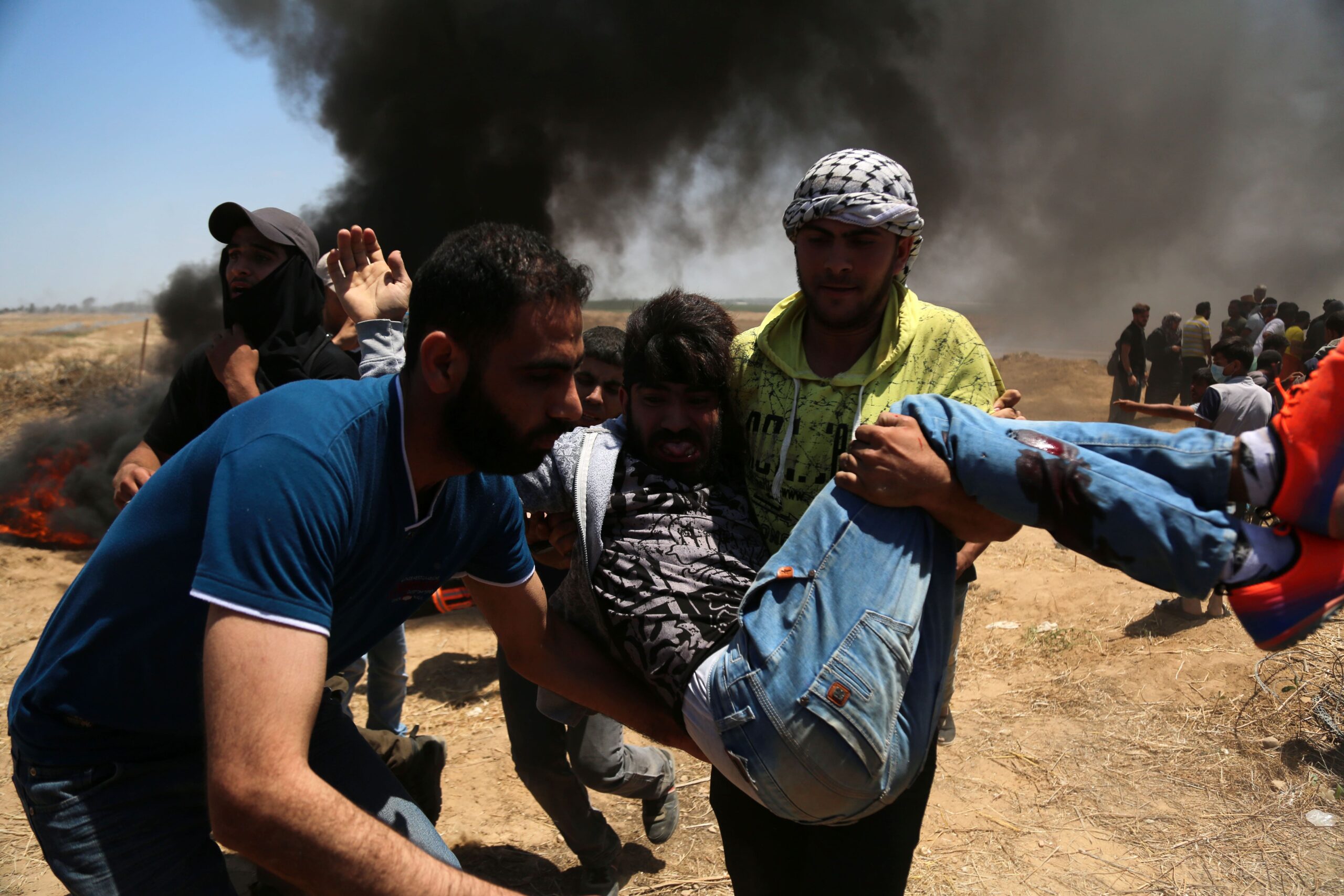
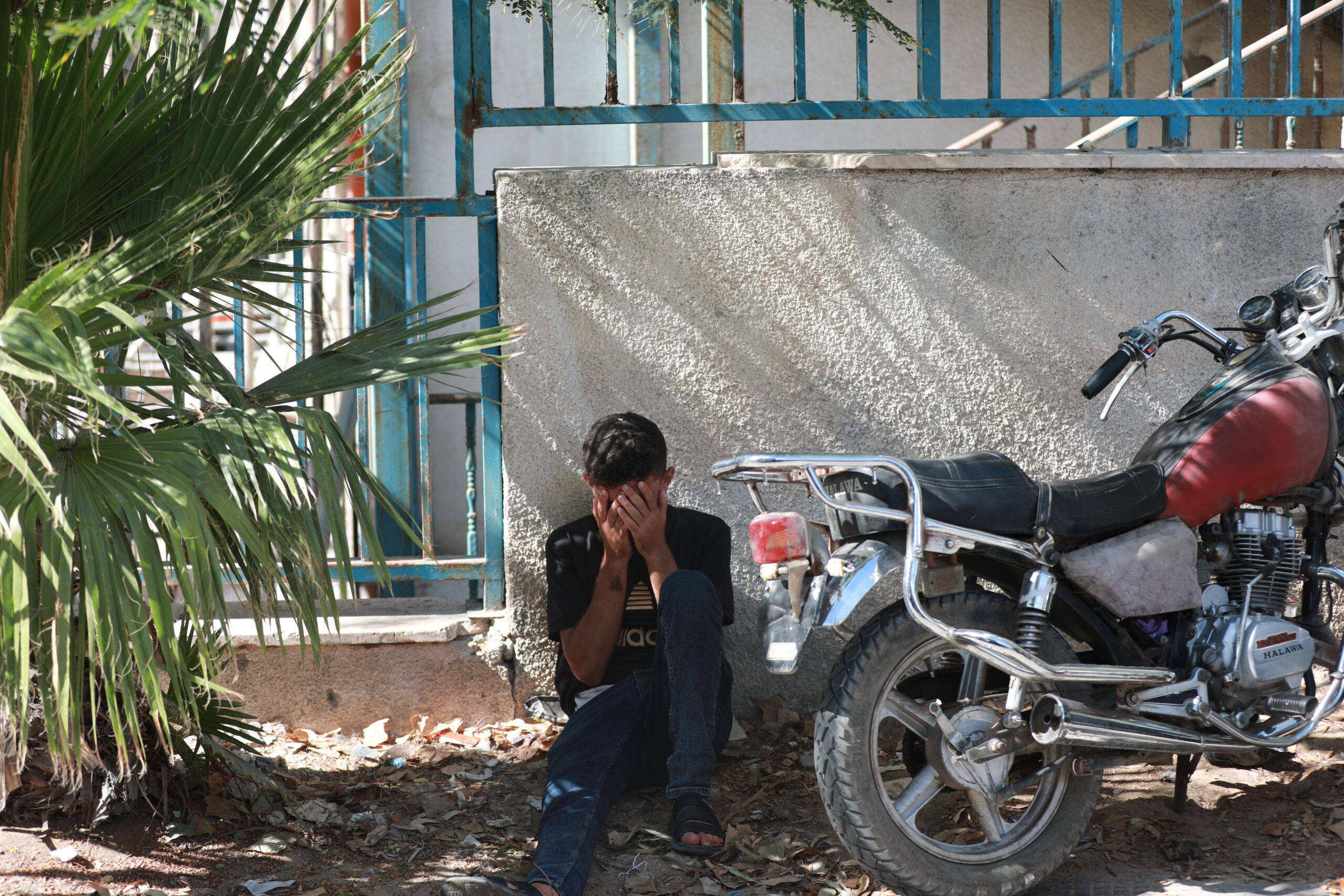
Gaza has endured over two years of terror and relentless assault. Over 73,000 Palestinians killed. Tens of thousands more injured. Over a million displaced.


Despite the ceasefire, airstrikes and shelling continue, causing further casualities since the agreement began. The people are in dire need of aid and long-term support.

Help us deliver urgent medical missions to Gaza

More Ways to Help Gaza

book

Cardiac Care
in Gaza

calendar

Medical Aid with
PANZMA

Urgent ICU
in Gaza​

calendar

Together
for Gaza

Other Giving Options

Support from Gaza to Aus

Help families recently arrived from Gaza settle in Australia.

600+ nightmare days of suffering

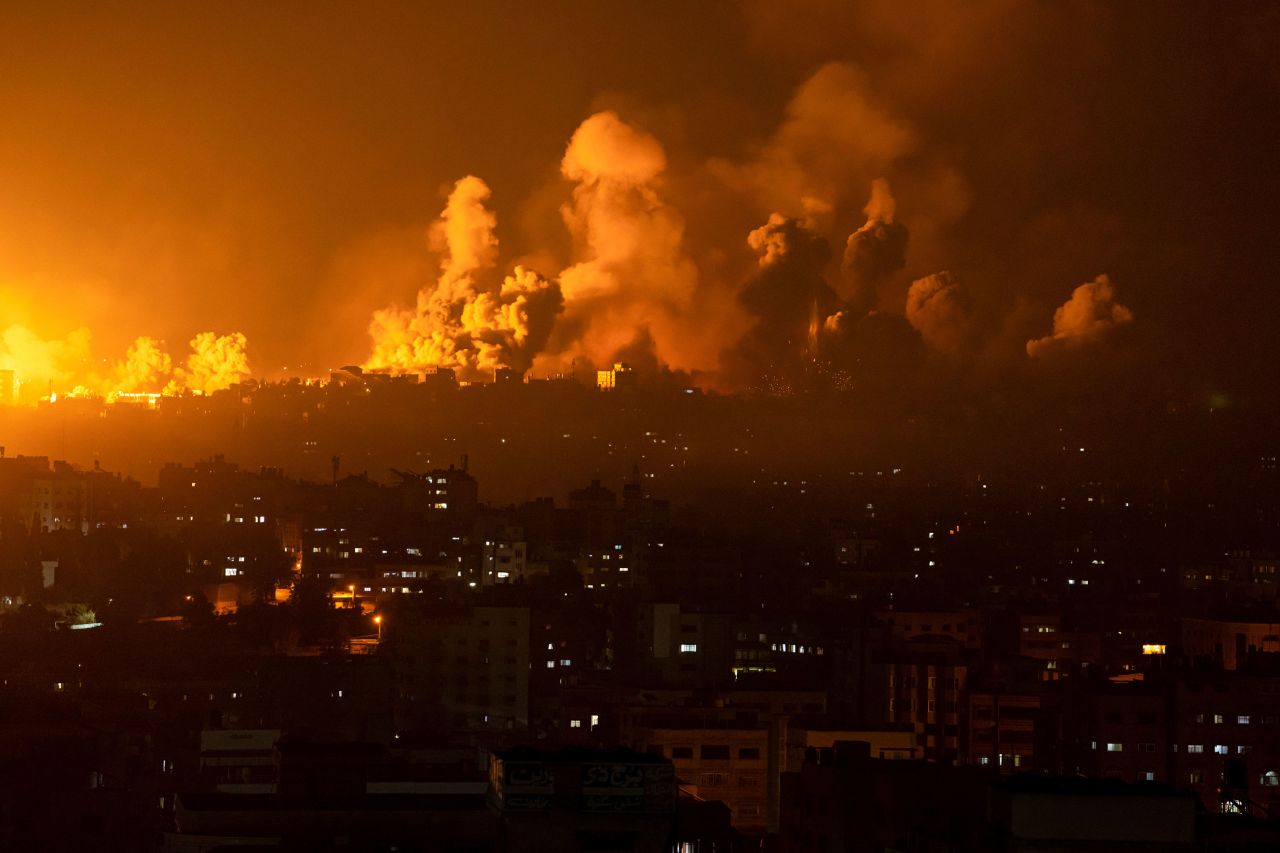
The scale of loss and destruction in Gaza is indescribable. For over 600 days, Israel carried out atrocities against Palestinians in Gaza.


They used starvation and denial of humanitarian aid as weapons of war, and sought to destroy every part of Gaza’s infrastructure and society.


The temporary ceasefire offered some hope, but its end and the way Gaza has been razed to the ground have left the people continuing to suffer greatly.

The Situation in Gaza Remains Urgent

After two years of destruction, the death toll only climbs. At least over 73,000 dead, with more than 21,000 children and 10,000 women among the casualties.


So far, we’ve distributed:

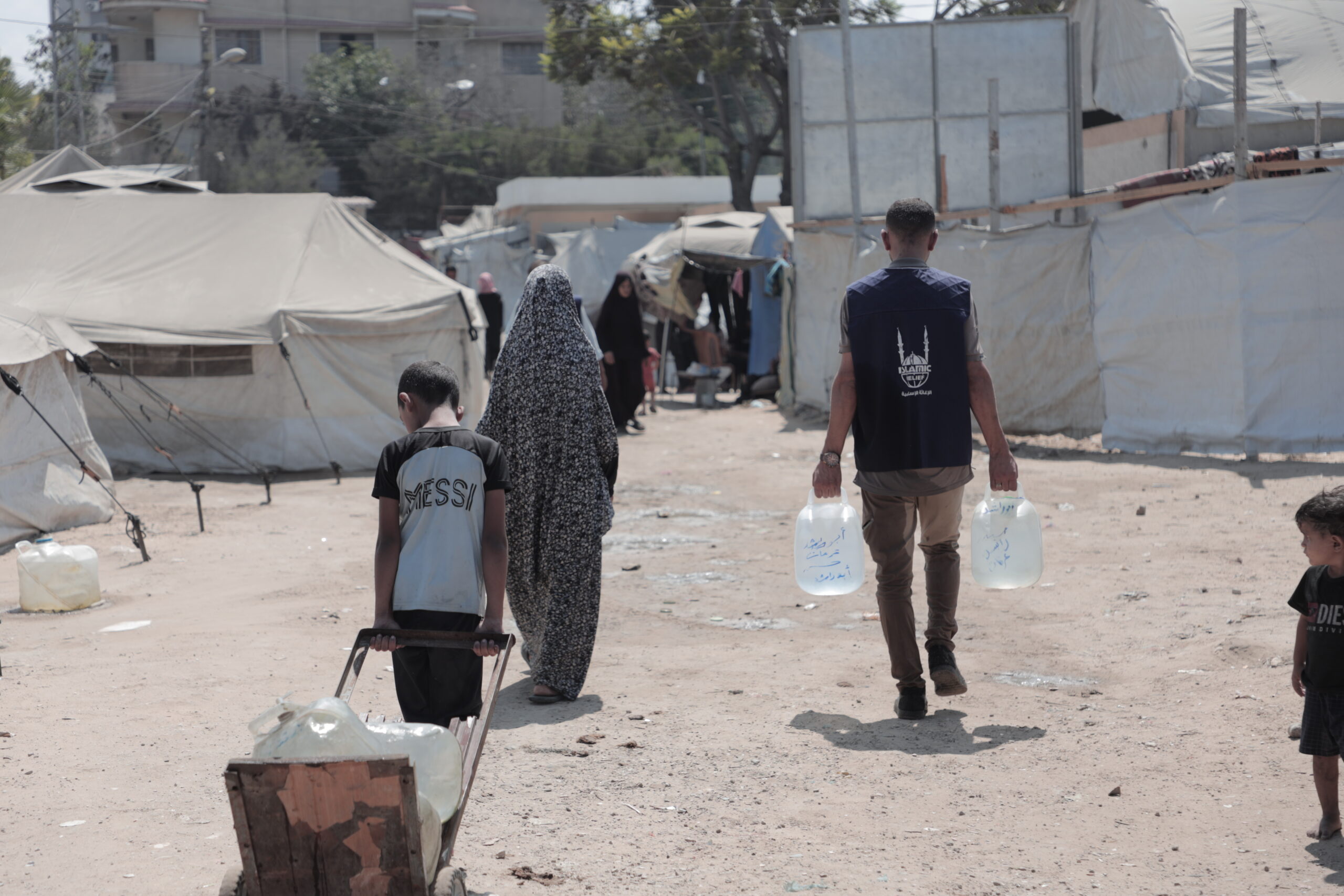
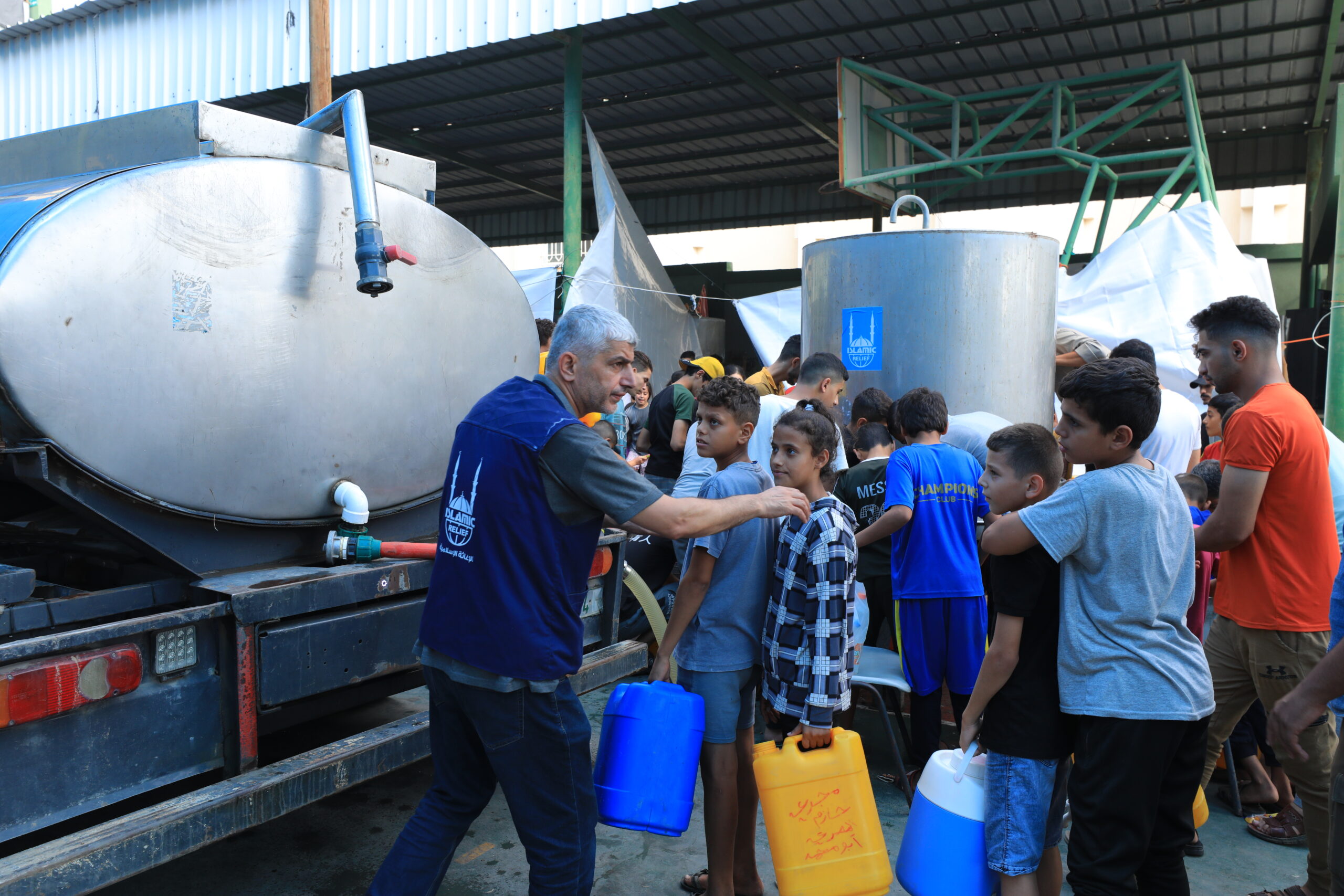
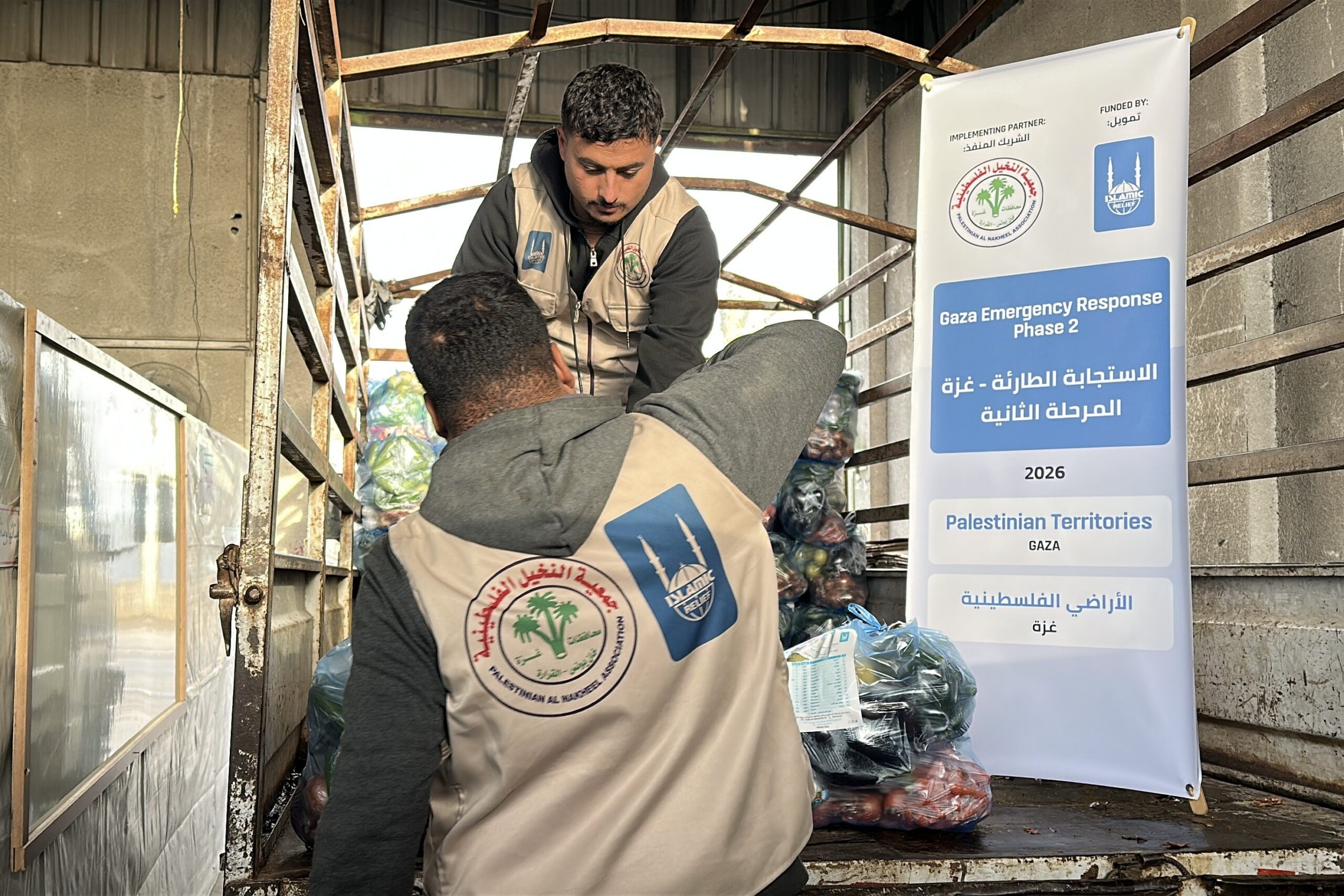
Food & Water Relief

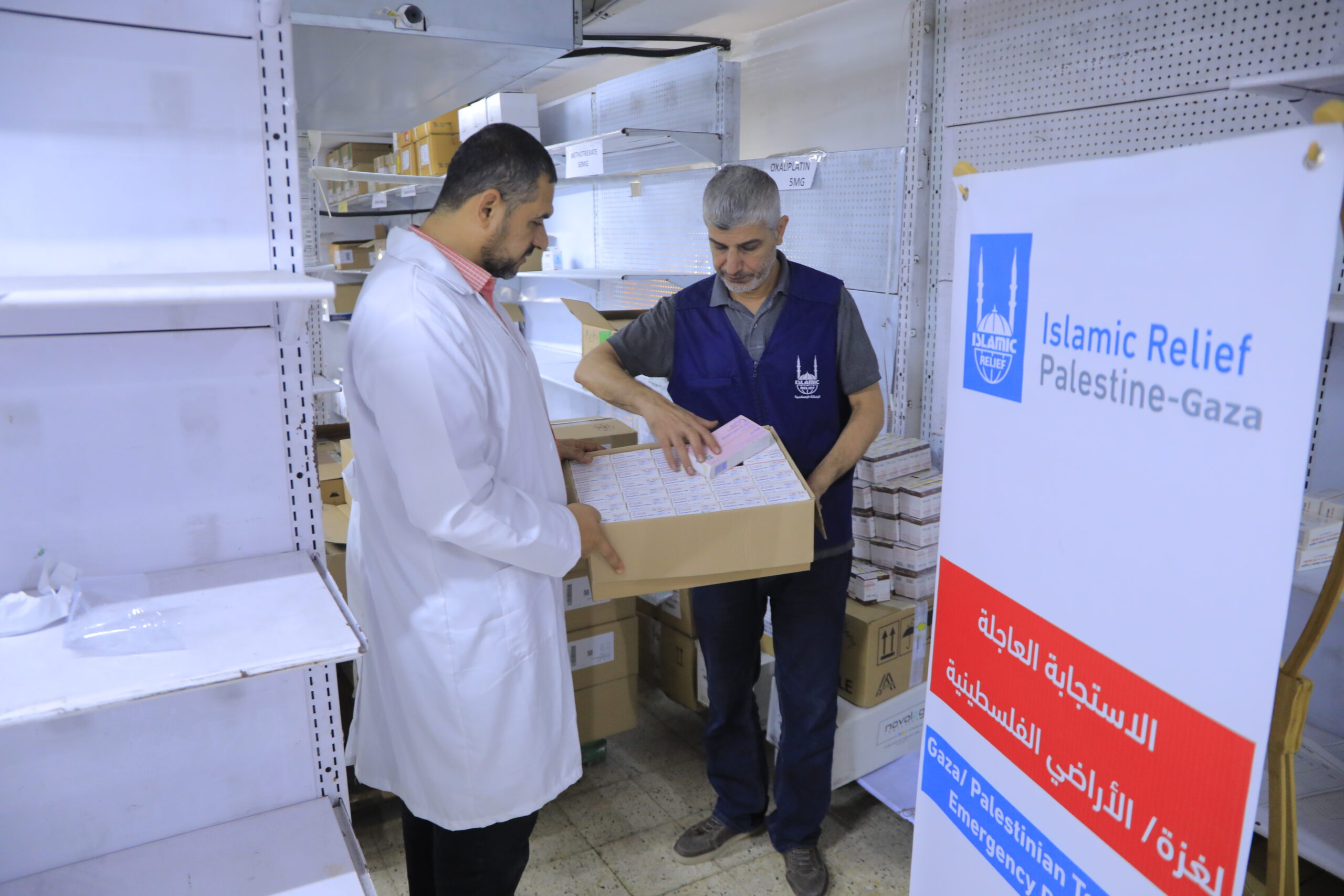
Medical Supplies

Checking Medical Aid Before Distribution - 23rd Oct

Water Distribution - 10th Nov

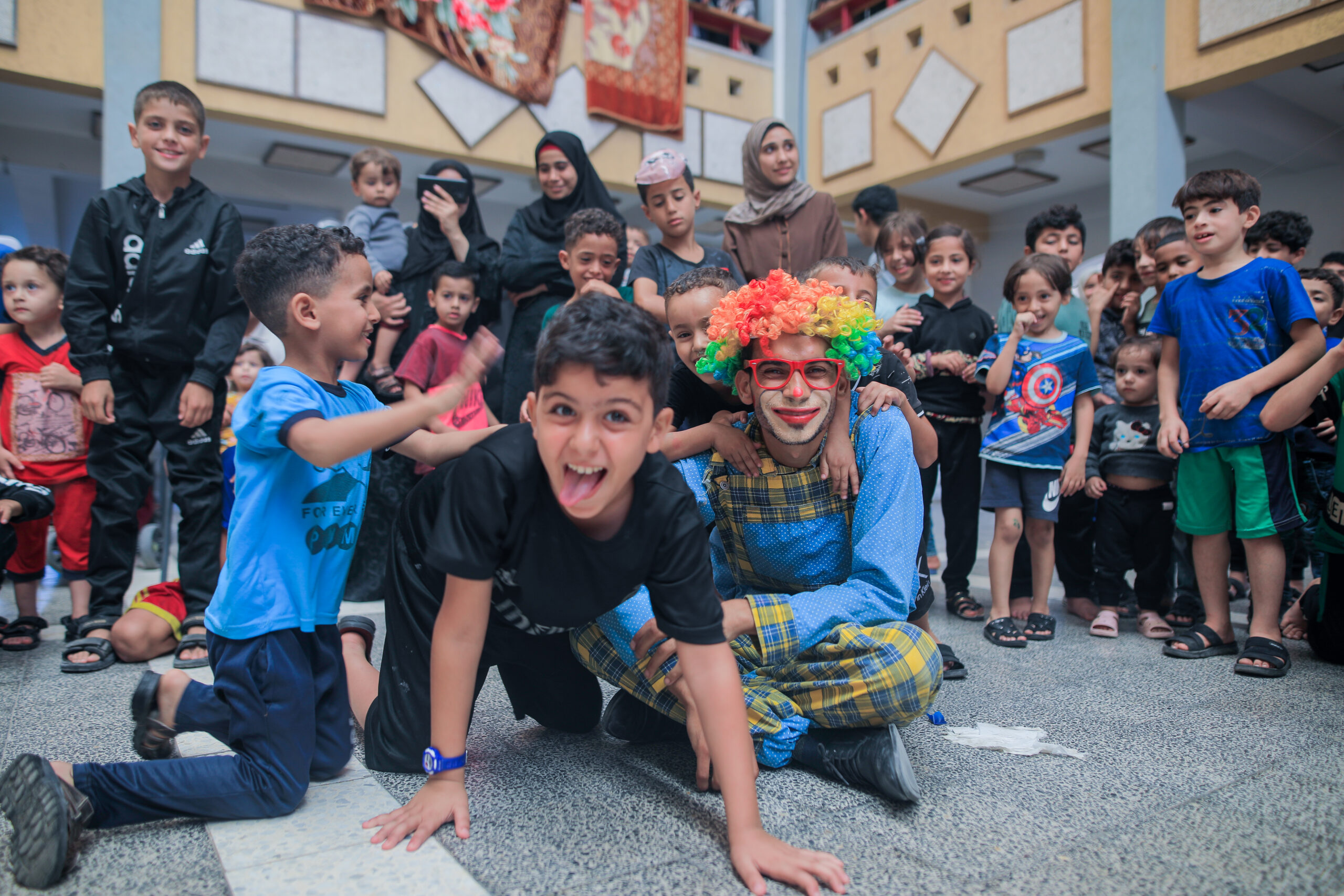
Children's Psychosocial Support - 11th Nov

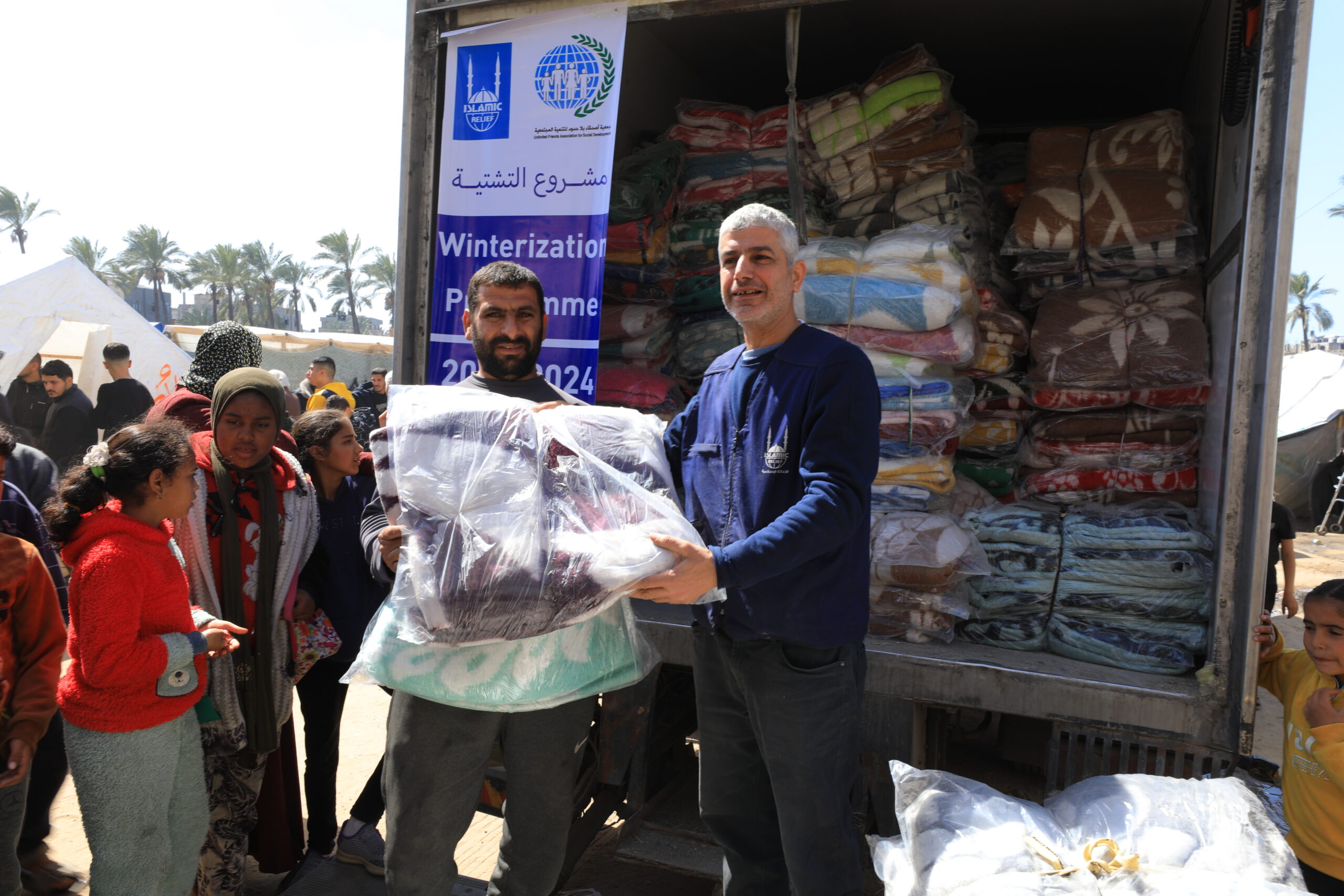
Winterisation Distribution - 10th Mar

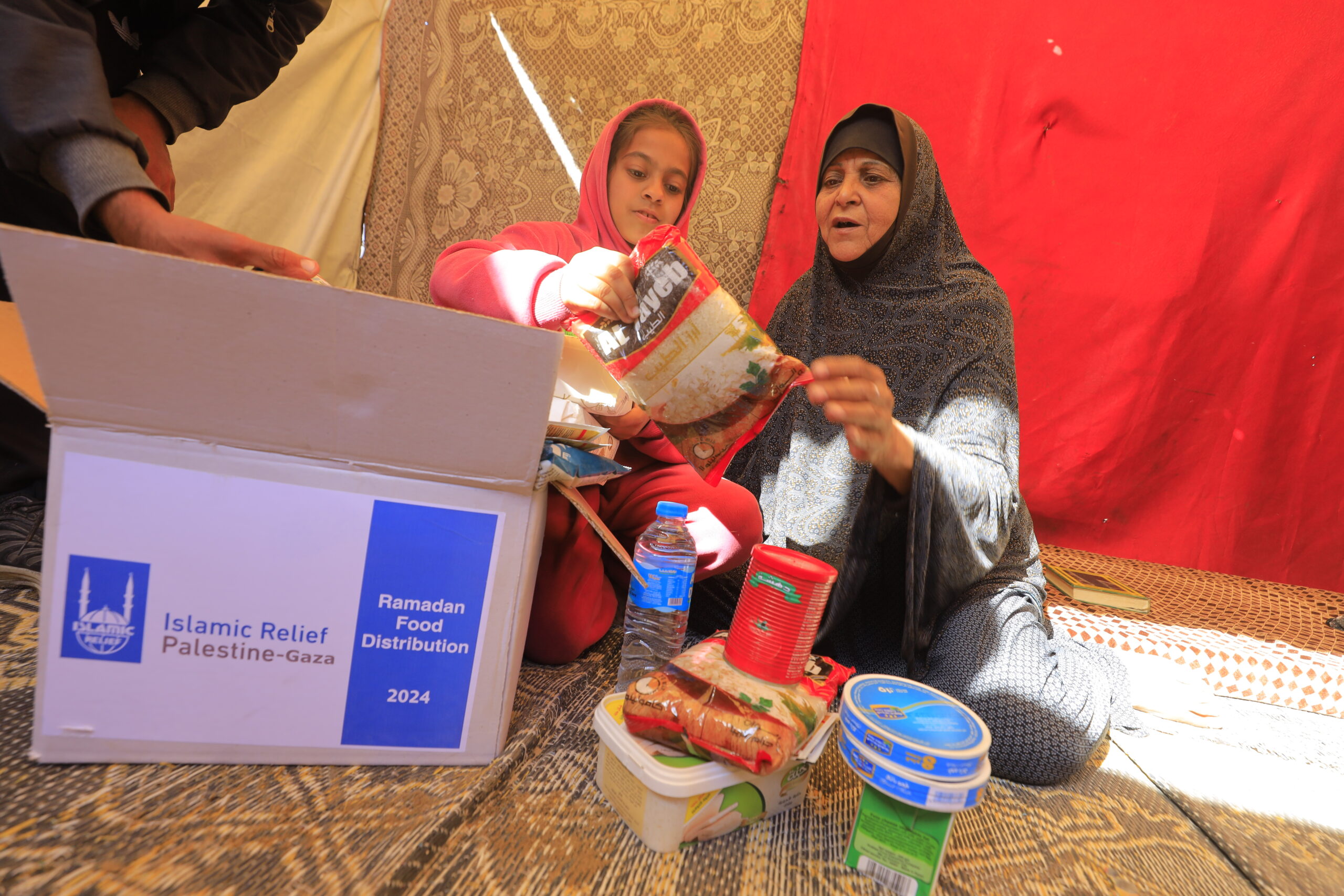
Food Pack Distribution - 12th Mar

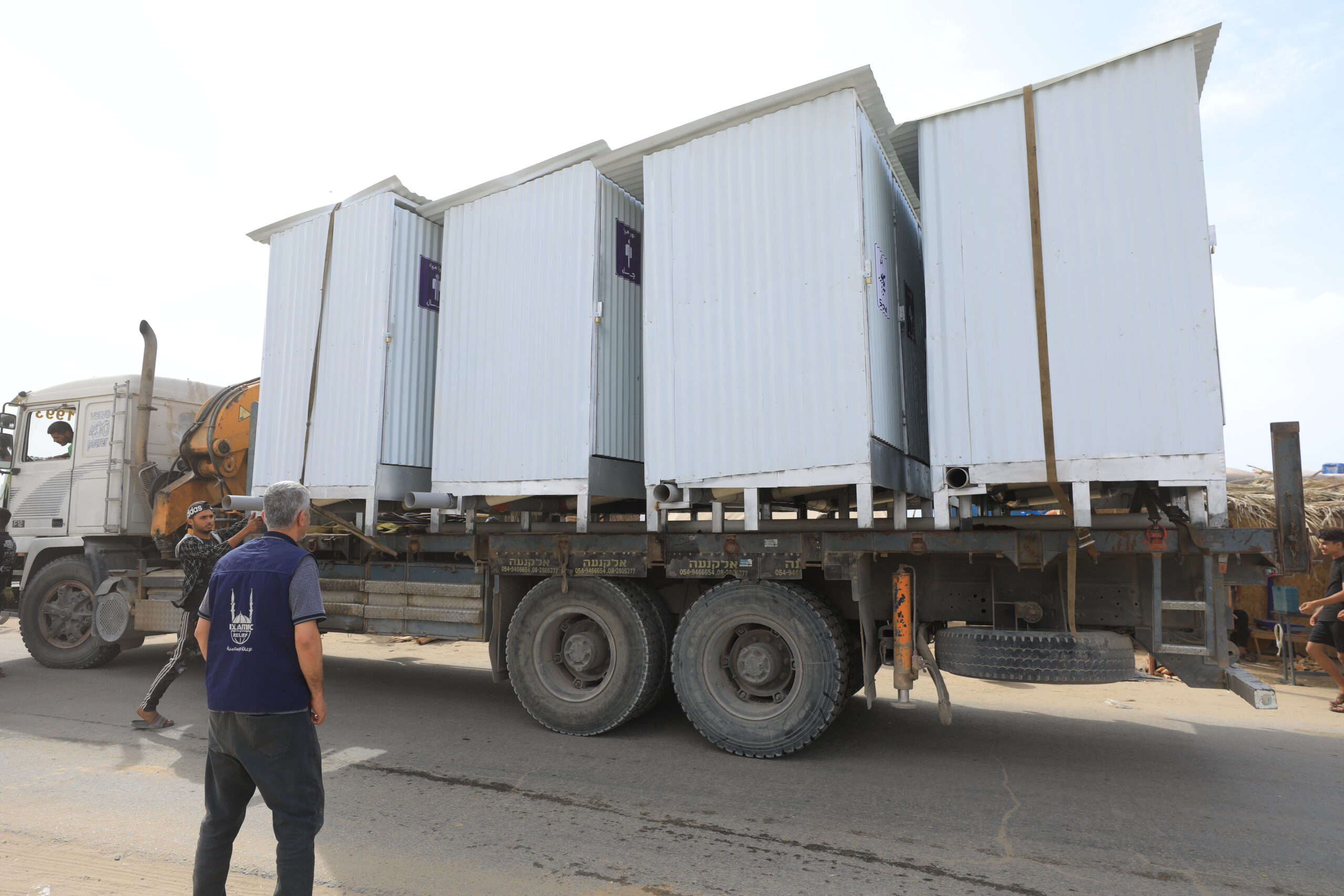
Portable Toilet Distribution - 25th Apr

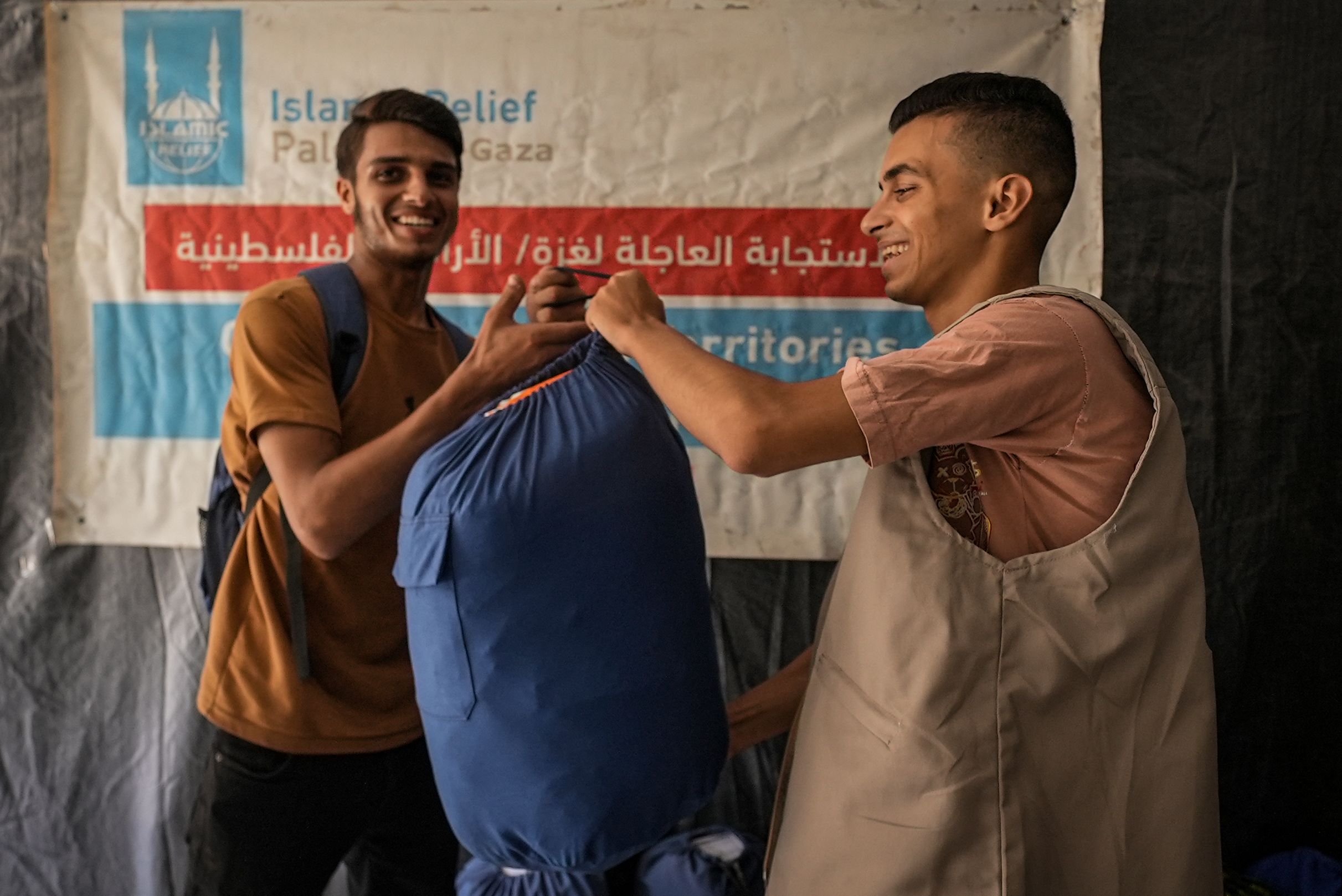
Clothes Distribution - 26th Jun

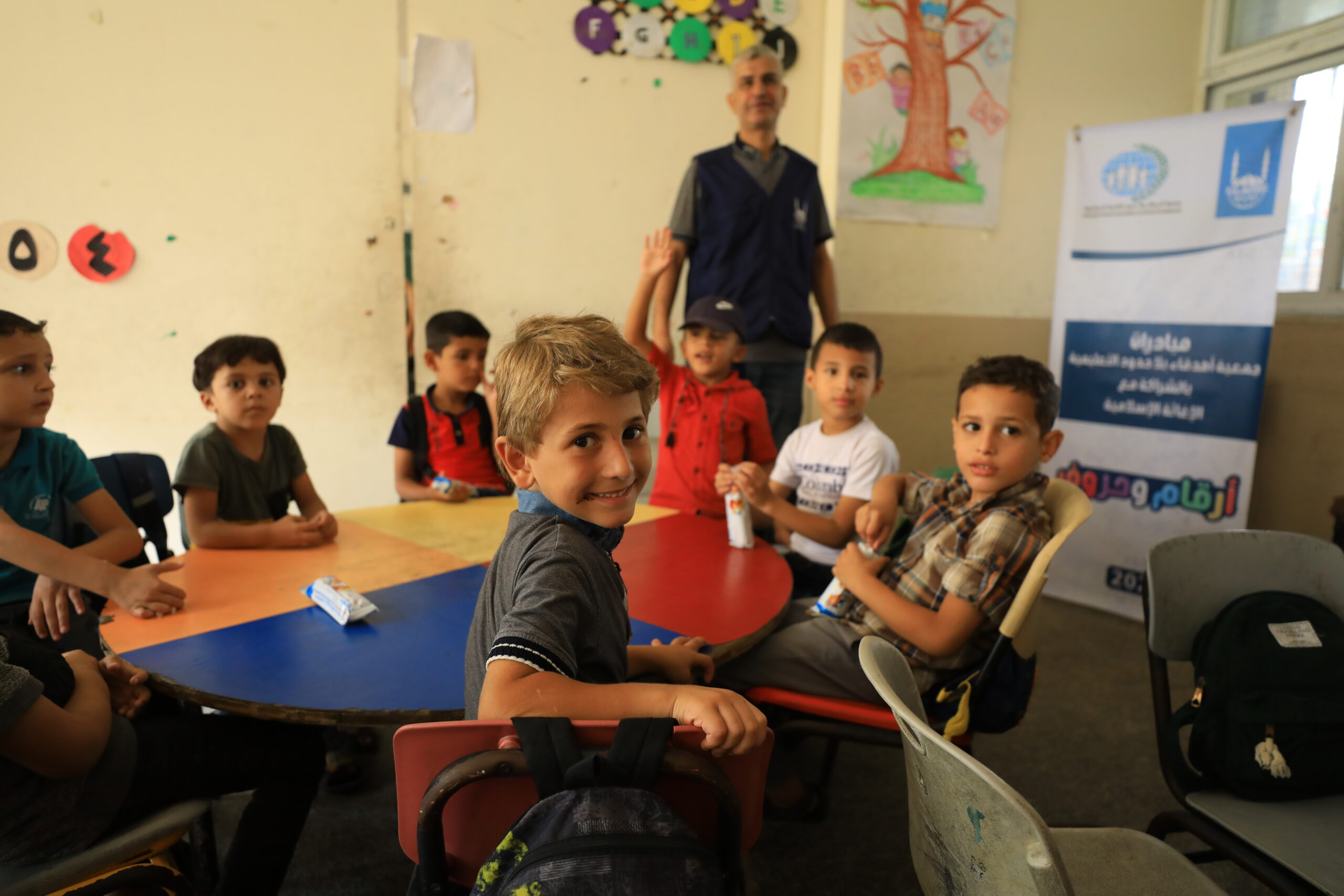
Learning Initiative - 1st Sep

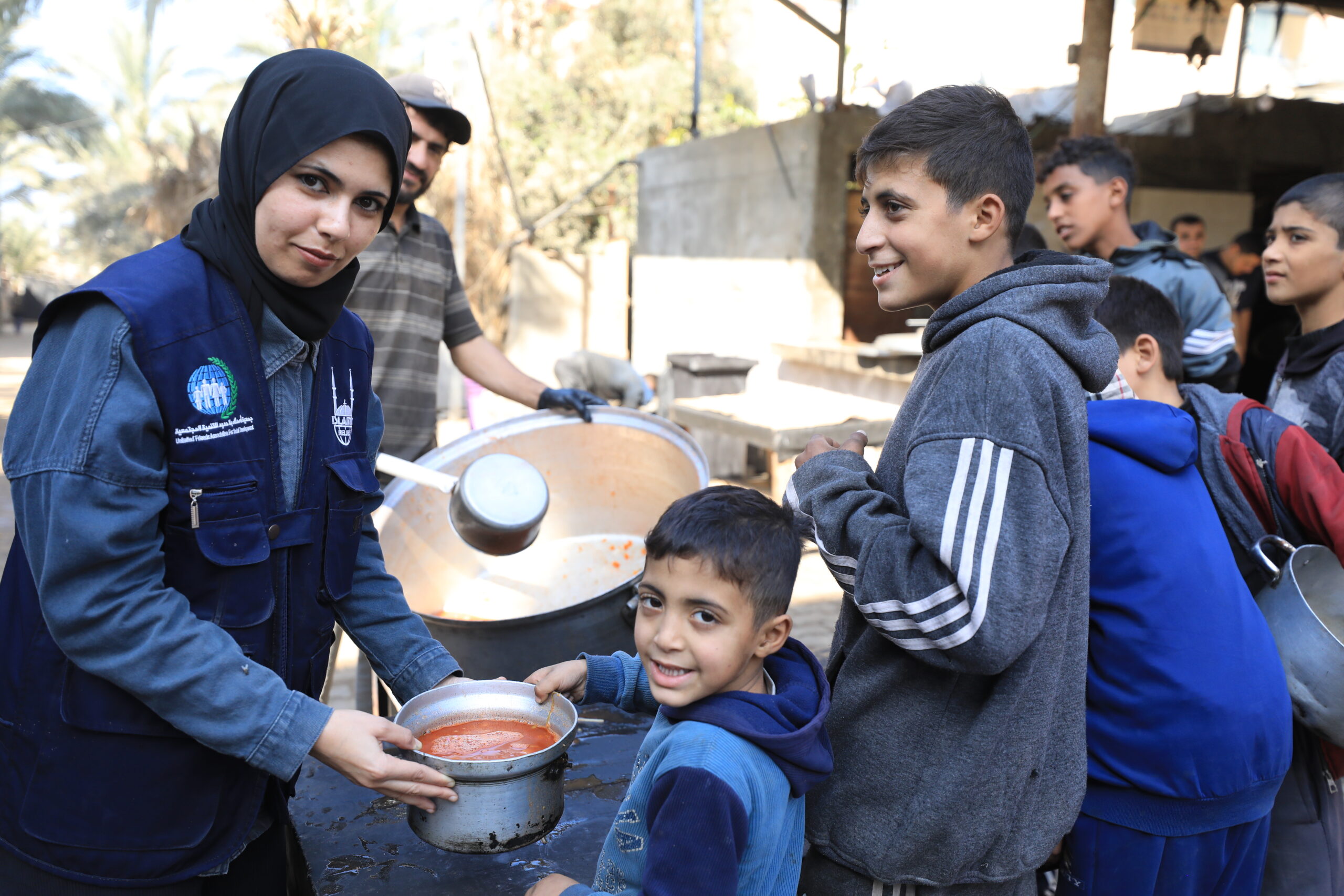
RTE Meals Distribution - 26th Nov

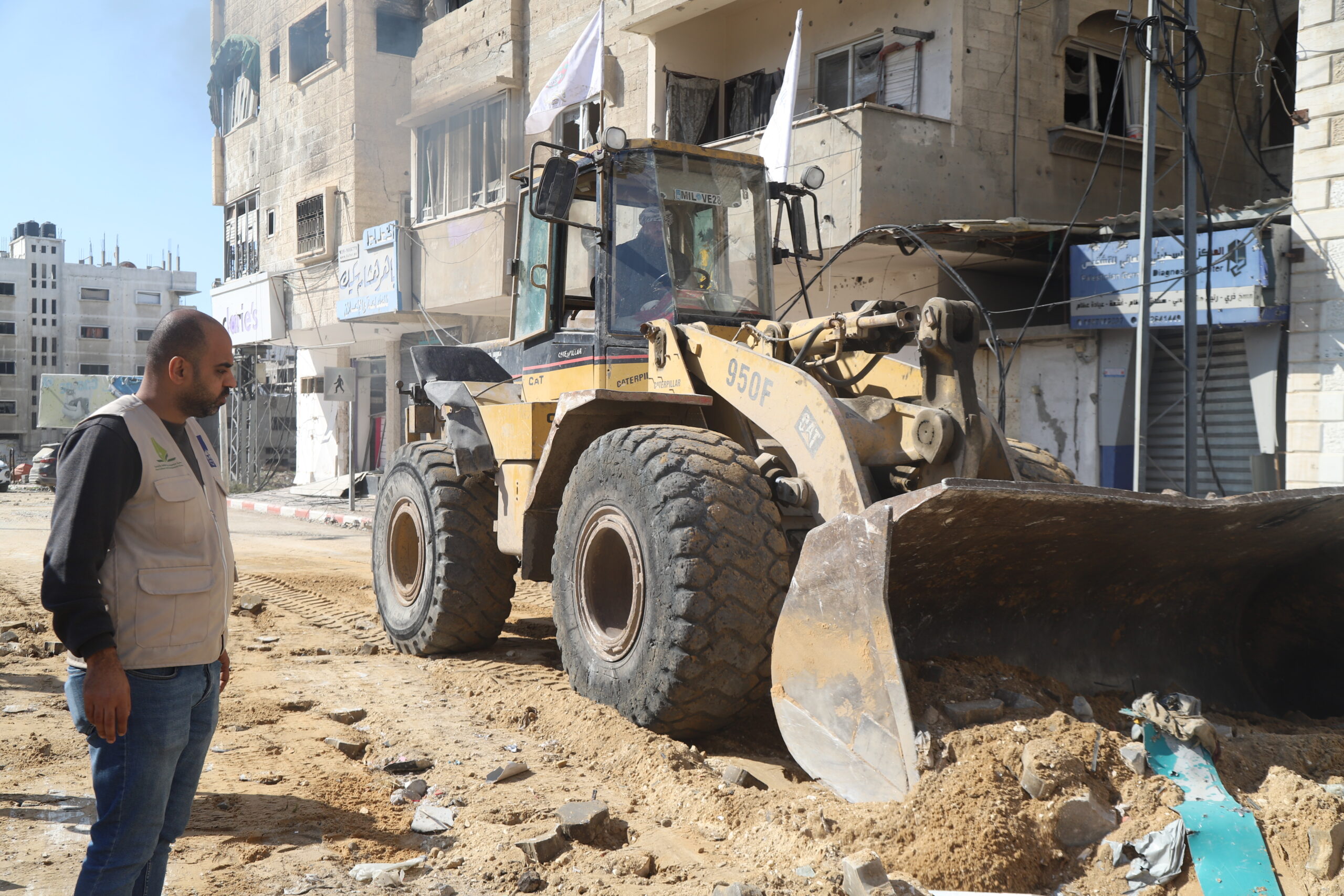
Cleaning Rubble - 21st Jan

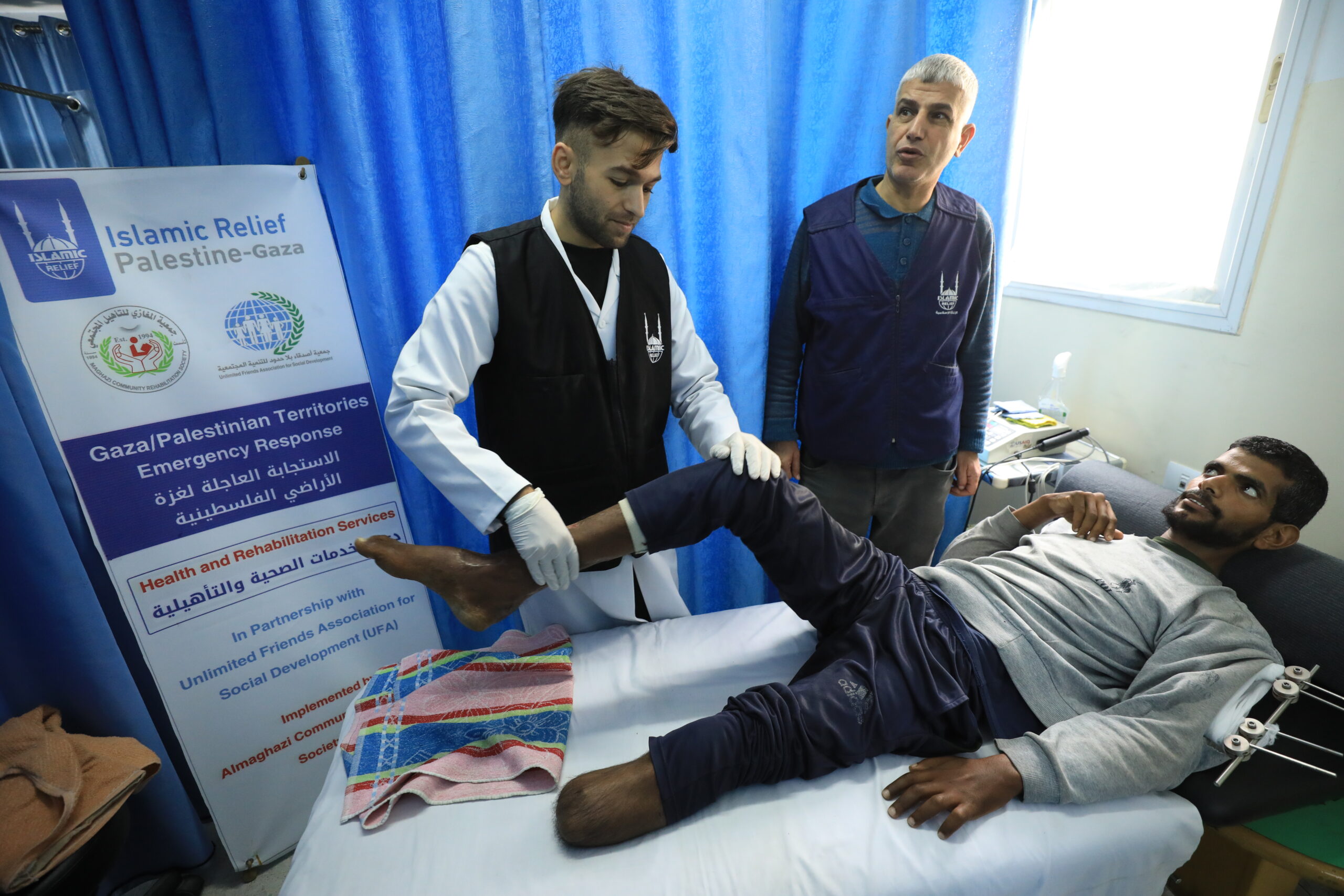
Health Rehabilitation - 22nd Jan

Food Distribution - 18th Feb

Maternity Care - 6th Apr

Psychosocial Support - 5th Aug

Hot Meals for Maternity Care Project - 25th Aug

Water Distribution - 8th Sep

Community Awareness - 24th Sep

Food Pack Distribution - 21st Oct

Food Pack Distribution - 12th Nov

Education Spaces - 3rd Dec

Fresh Produce Distribution - 10th Jan

The Toll of the Crisis on Gaza

A Summary of the Events

  • Despite the ceasefire deal effective Friday, 10 October 2025, continuous shelling and attacks across Gaza, including in “safe” zones.
  • Since October 2023, Palestinian fatalities have reached over 73,000 deaths and over 173,000 injuries in Gaza, and over 1,100 people dead and over 12,400 wounded in West Bank. 
  • Among them, more than 2,600 people were killed and over were 19,000 injured trying to get food or other aid at Israel’s militarised distribution points last year (Health Cluster).
  • Israel’s assault has also killed at least 595 humanitarian workers, 1700 health workers, 792 educational staff, and 260 journalists and media workers.
  • 65% of Gaza is now off limits to Palestinians and under full Israeli military control. Almost all of Gaza’s population is now confined to just 35% of its territory and at least 1.9 million people are still displaced from their homes (OCHA)
  • Since the “ceasefire” announcement to 25 June 2026, around 24,820 trucks of aid have been able to reach the intended destination within Gaza, an average of 128 trucks per day (United Nations). 
  • Despite improvements, 1 in 20 families (5%) in Gaza are still going entire days without eating and 17% of families are only eating once a day (WFP).
  • Around 246,000 children are projected to suffer from malnutrition, and 70% of children in Gaza are living in moderate or severe food poverty (IPC, Nutrition Cluster).
  • 37,000 pregnant and breastfeeding women are also projected to suffer acute malnutrition (IPC).
  • 63% of households still face difficulties accessing markets, mainly due to lack of cash and high prices (WFP).
  • 66% of households rely on burning waste to cook food, due to lack of cooking gas (OCHA).
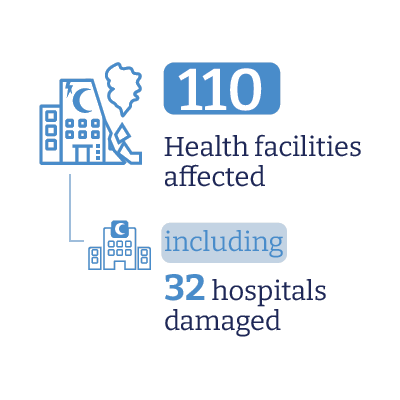
  • Less than 5% of health services are fully functioning, with 47% still completely shut down (Health Cluster).
  • At least 18,500 critical medical patients, including 4,000 children, require evacuation outside Gaza (Health Cluster).
  • 1 in 5 children under 3 years old have missed vaccinations, leaving them vulnerable to preventable diseases (WHO).
  • 1.1 million children need mental health or psychosocial support (UNICEF)
  • 93% of schools are damaged or destroyed and need full reconstruction or major repairs (Education Cluster).
  • Over 637,000 school-age children still do not have sustained access to formal, inperson education (Education Cluster).
  • Unemployment in Gaza is above 80% (OCHA).
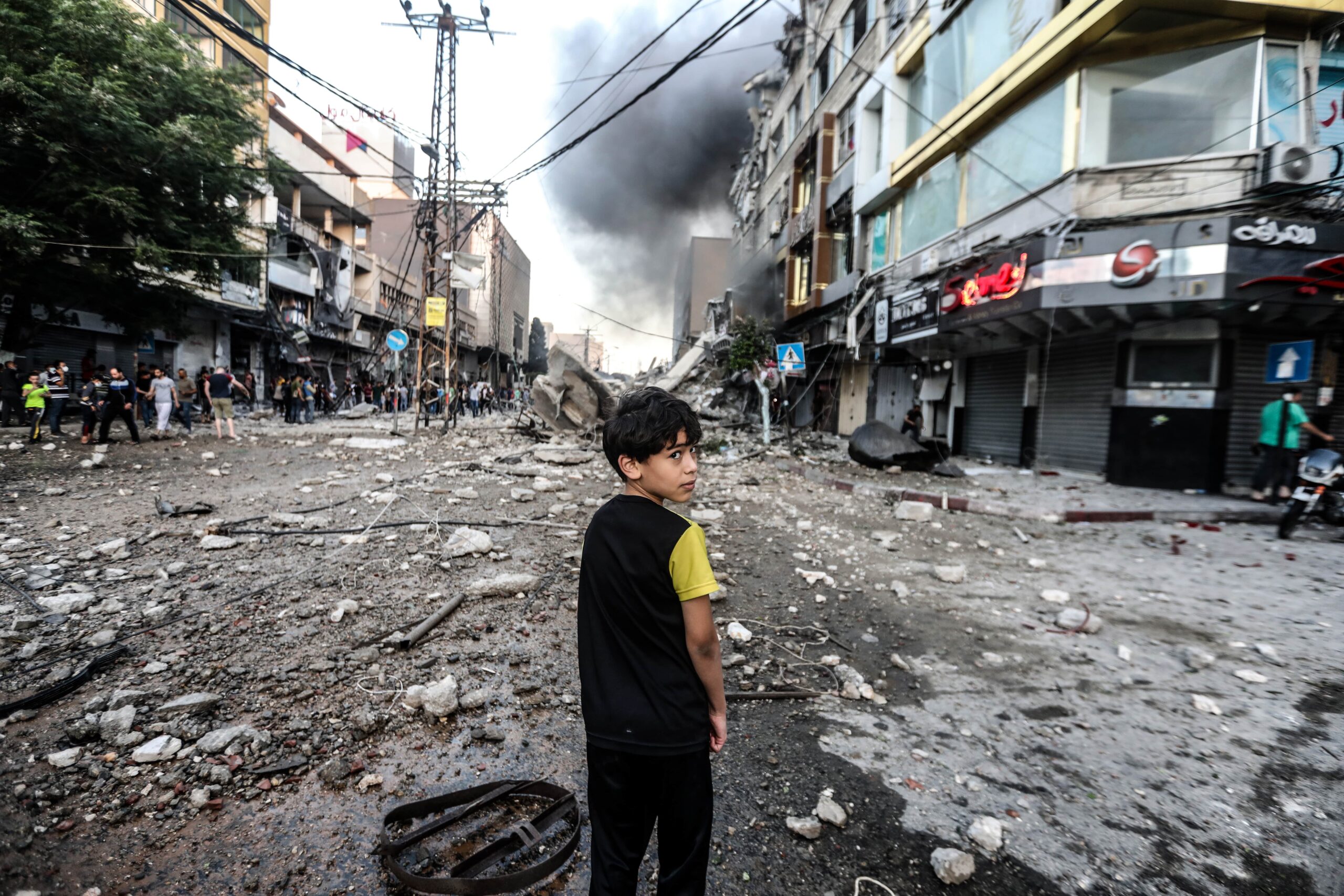
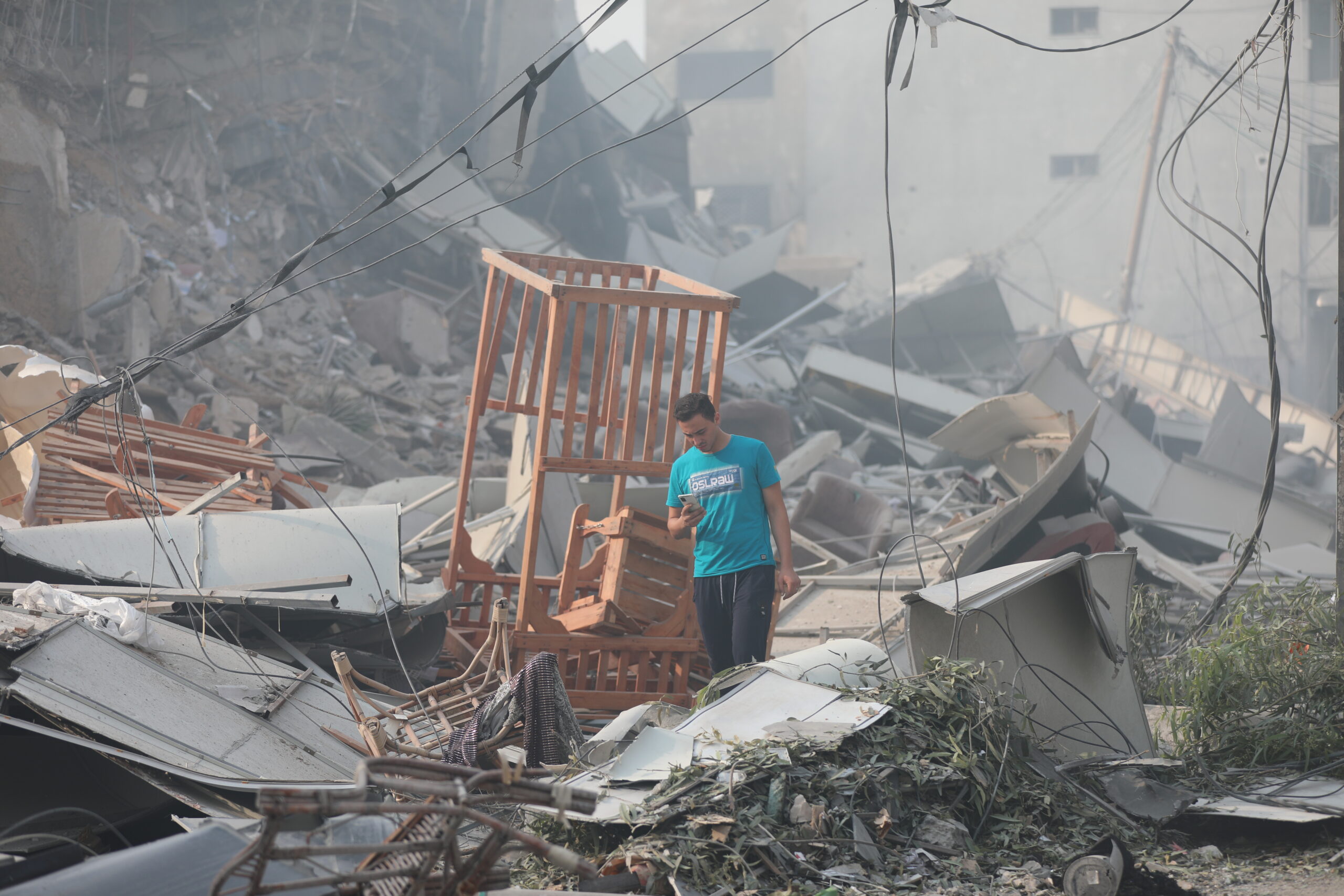
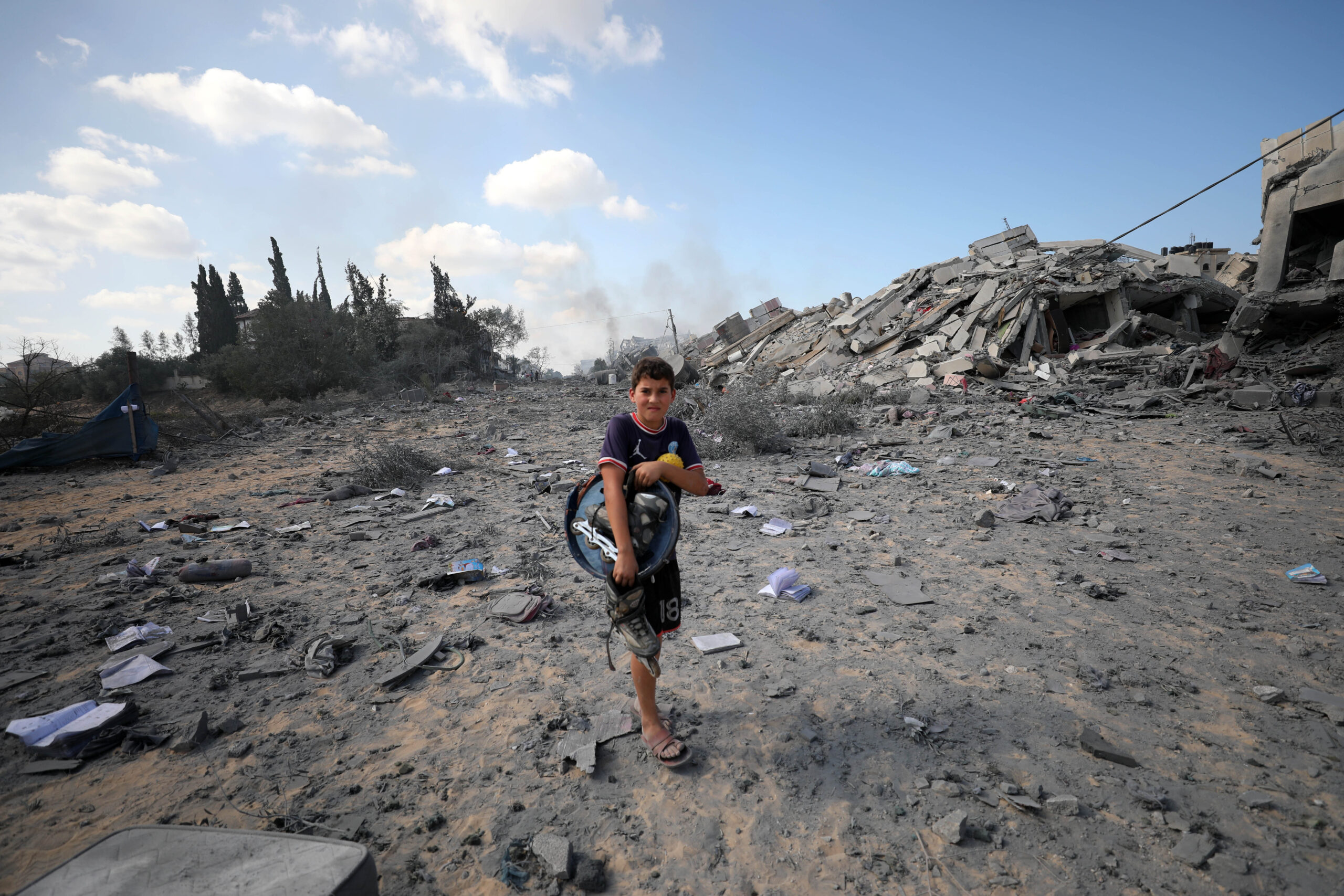
  • 81% of all structures, 74% of all roads, 90% of energy infrastructure, 89% of water and sanitation infrastructure in Gaza have been damaged or destroyed (UNOSAT, OCHA, IRDNA).

Crisis in Gaza - 7th Nov

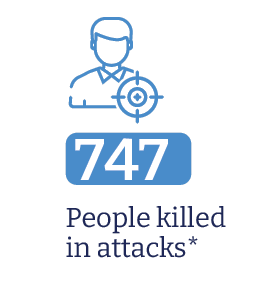
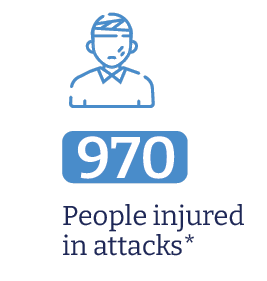
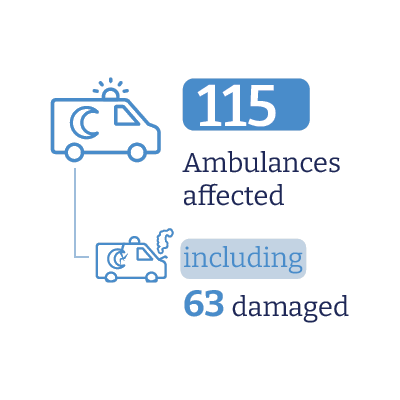
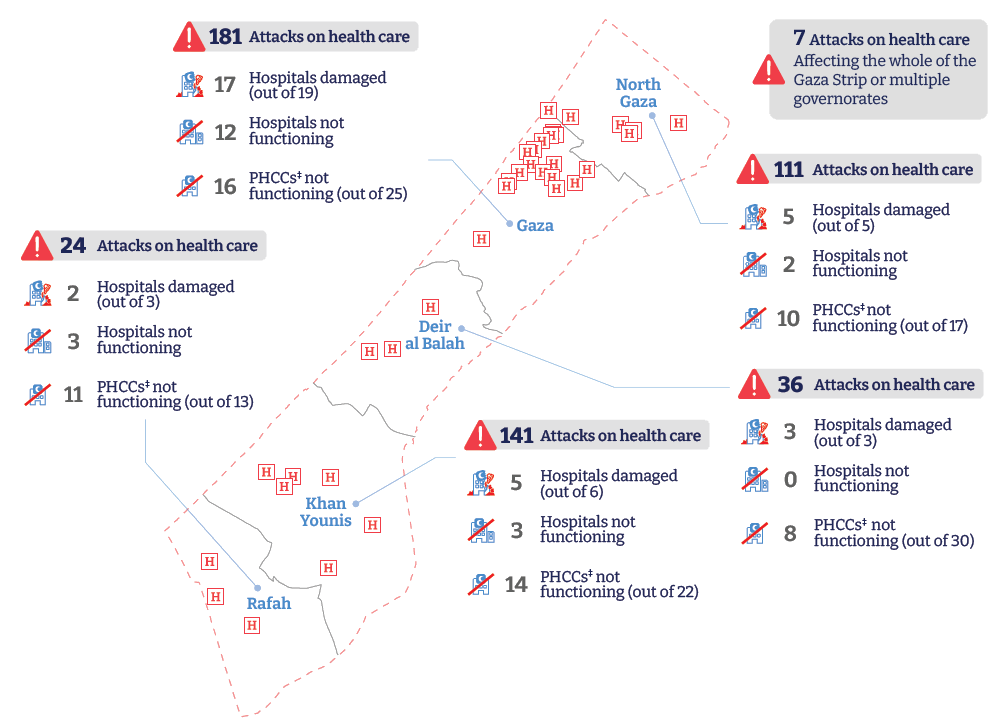
Impact of attacks on health care in the Gaza Strip

From 7 October 2023 until 30 July 2024

*Most of those who have been killed and injured in attacks on health care were persons internally displaced and taking shelter. The attack on Al Ahli Arab Hospital on 17 October resulted in 471 fatalities and 342 injuries, according to reports of the Ministry of Health.
Source: World Health Organisation

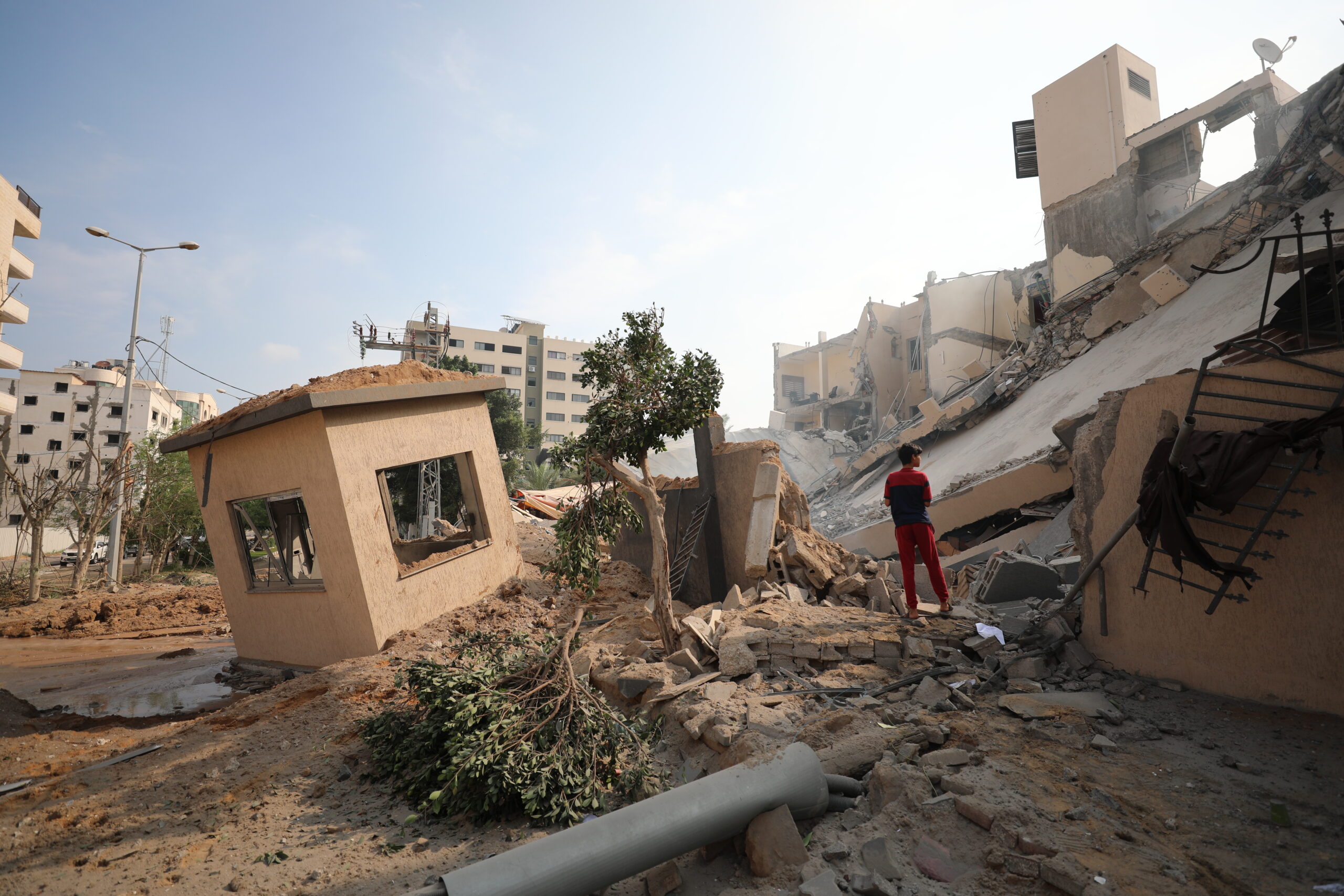
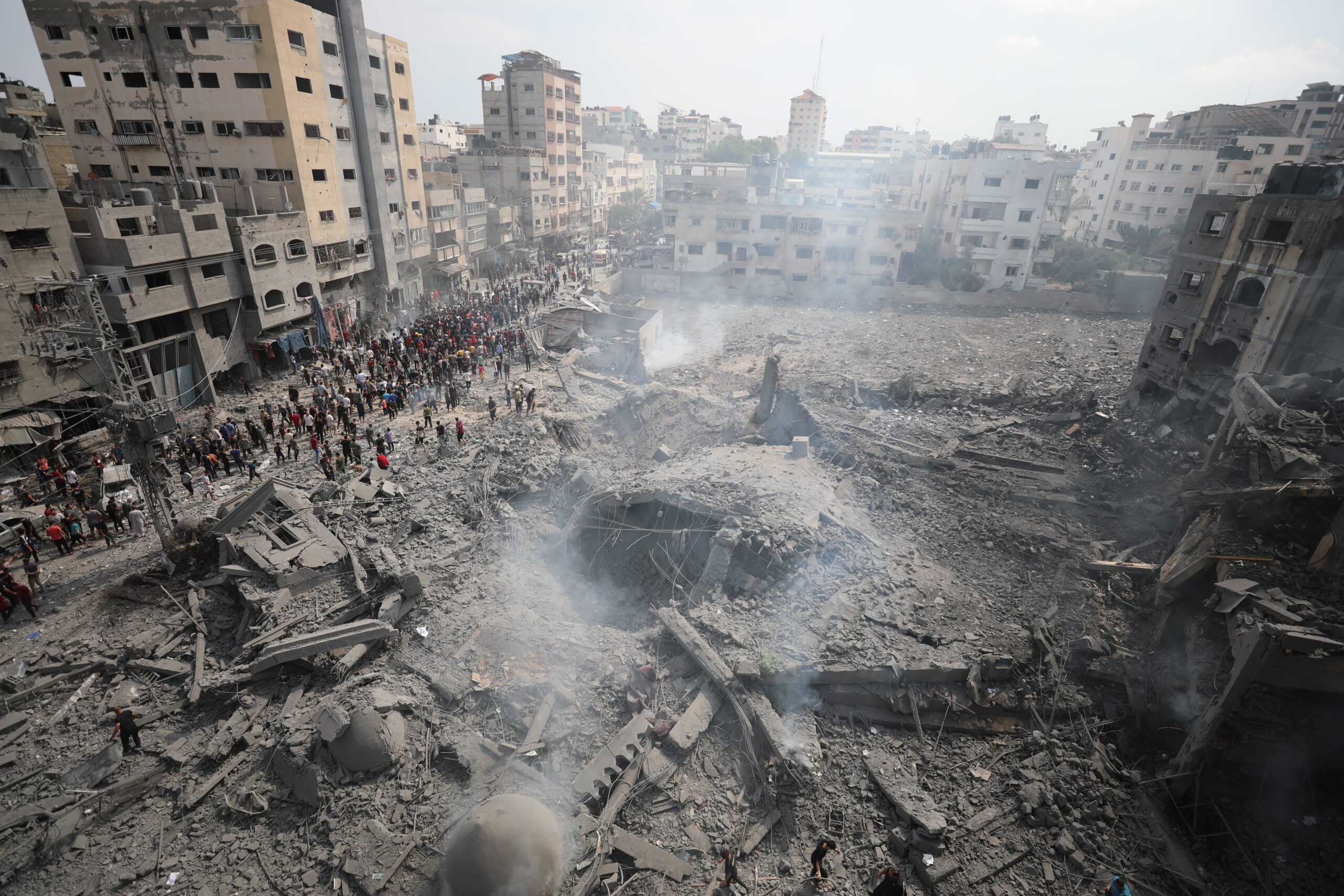
The lasting destruction - 9th Nov

FREQUENTLY ASKED QUESTIONS

Last Updated: 14/10/2025

The humanitarian situation in Gaza is absolutely catastrophic, and people urgently need lifesaving aid. Two years of relentless Israeli bombardment, denial of aid, and use of starvation as a weapon of war have pushed Gaza into a man-made famine. The ceasefire announcement alone does not stop the famine – children are still malnourished and at risk of starving to death unless they get sustained aid soon.


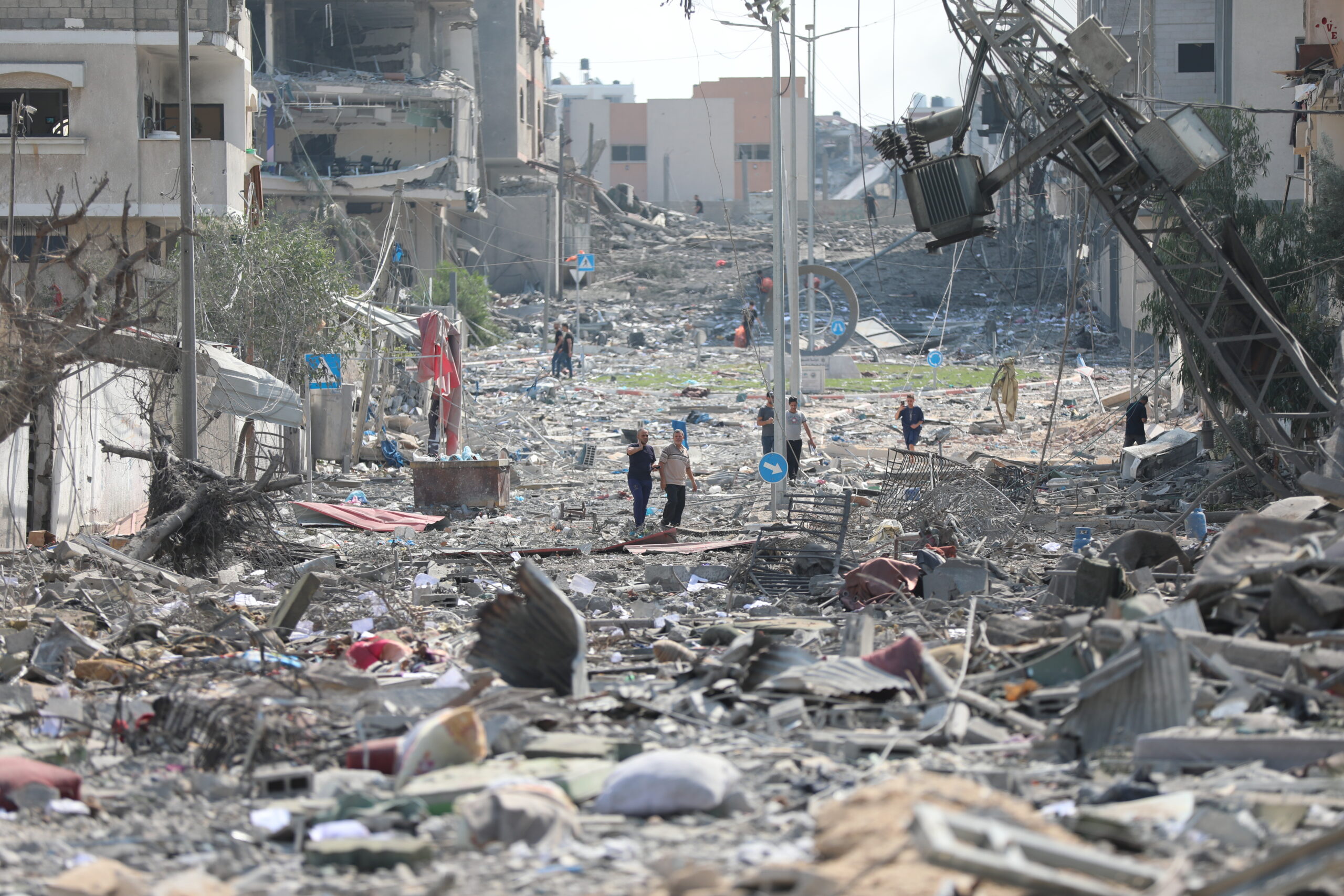
Gaza’s entire infrastructure has been destroyed. Homes, hospitals, schools, water systems, sewage plants, shops, roads, banks and much more are now rubble – reconstruction will take decades and tens of billions of dollars. Hundreds of thousands of people who have been forcibly displaced over the past two years are now once again on the move, but most have no homes left to return to and no access to basic services. Many are setting up tents on the rubble of their old homes. Almost everyone is grieving and traumatised, and an entire generation is now in their third year out of school. Around 68,000 people have been killed, while tens of thousands of wounded survivors are now trying to cope with life-changing disabilities such as loss of limbs.

Since October 2023, we have spent around $63 million (around $96 million AUD) to provide vital humanitarian aid to more than 600,000 Palestinians in Gaza – including cooking more than 71.5 million hot meals; providing psychosocial support to more than 100,000 children; providing water, sanitation, food parcels, nutrition supplements, hygiene kits, medicine, and temporary learning spaces; and supporting more than 21,000 orphaned children.


Israel’s assault has turned Gaza into the most difficult and dangerous place in the world to deliver aid. But despite the huge challenges, Islamic Relief’s team in Gaza and our local partners have always found a way to keep providing some lifesaving aid. We now hope to be able to scale up our work as soon as more aid is allowed to enter Gaza under the new ceasefire agreement, but right now our response is:

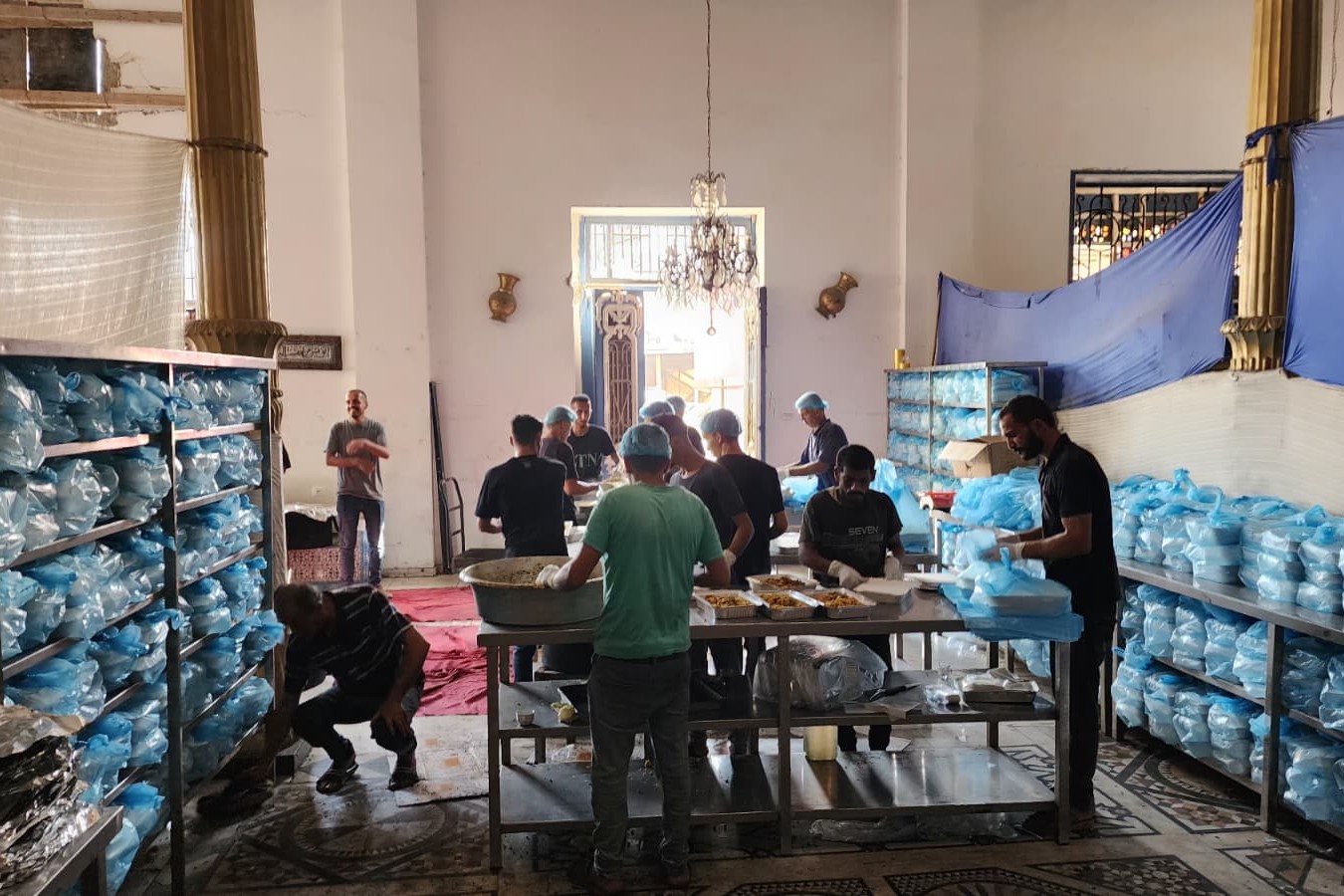
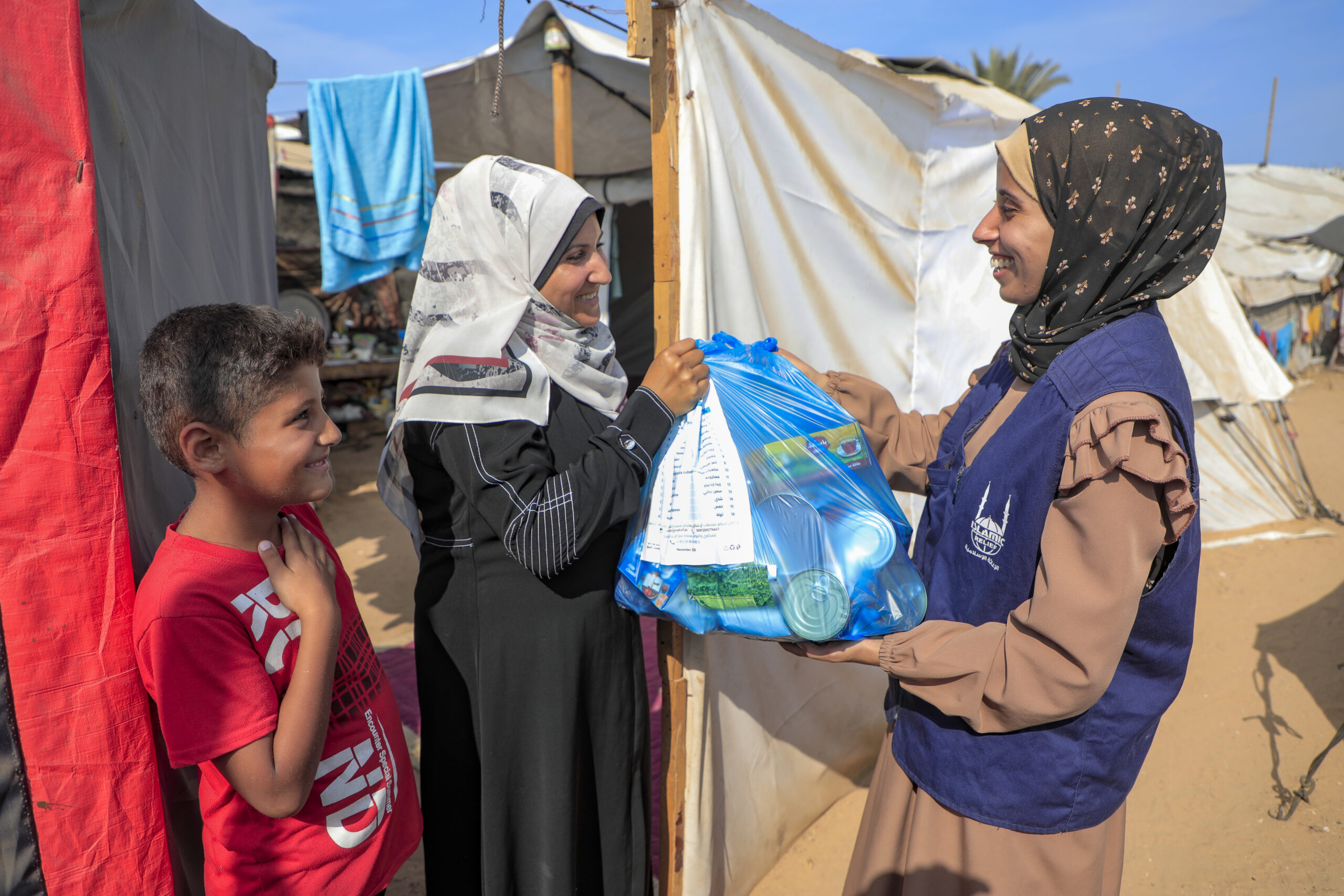
Providing food to thousands of displaced people. We are currently cooking and distributing hot meals to up to 5,250 people a day at local community kitchens (known as takaaya). These meals include things like lentil stew, mujaddara (a traditional Palestinian dish of rice, lentils and onions), spiced rice, aubergines/eggplants, pasta, peas and potatoes. We are also providing food parcels to an average of over 500 families a day, which provide essentials such as oil and sugar

  • Providing maternal healthcare to 1,380 pregnant women, breastfeeding mothers and newborn children (see Q7)
  • Supporting 21,647 orphaned children and their guardians with monthly cash and other assistance (see Q9)
  • Providing cash to hundreds of other vulnerable families, so they can buy what they need most (see Q8)
  • Working with WFP to run community awareness sessions to improve civilian safety

At times, we are also able to provide other aid. For example, in September, we were able to truck over 350,000 litres of safe drinking water to displaced families in shelters in west Gaza, helping around 15,000 people. However, this had to be suspended during Israel’s assault on Gaza City. We hope to resume these distributions soon.

The humanitarian needs in Gaza are catastrophic, and Islamic Relief is ready to scale up our response as soon as it is possible to do so. However, our ability to do this depends on what happens next, which is still very uncertain. Despite the ceasefire agreement, we have not yet seen the large-scale increase in aid allowed to enter Gaza that is needed and has been promised. It is vital that Israel lifts all restrictions on humanitarian access and allows aid to reach people in sufficient quantity.


As soon as possible, we have plans to:

  • Scale up distributions of emergency lifesaving aid, including food, clean water, shelter, cash, hygiene kits and other essentials
  • Improve people’s access to healthcare by scaling up our mother and child care; supporting emergency services; providing ophthalmology care for people who have lost eyesight; and particularly targeting older people and people with disabilities
  • Expand our Orphan Sponsorship Program to support 7,000 more orphaned children whom we have already identified
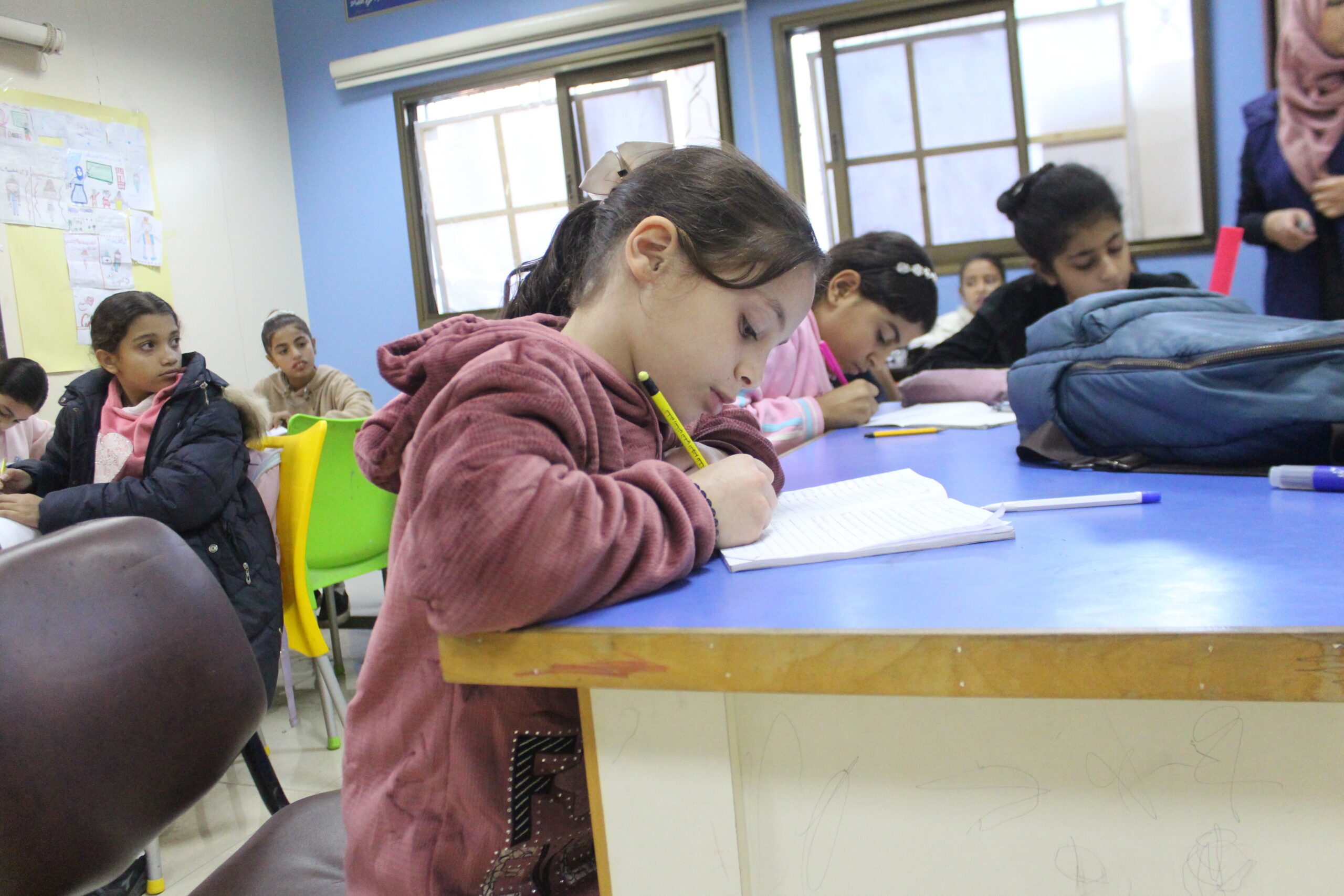
  • Support temporary learning spaces to help get children back into education as soon as possible
  • Provide children with psychosocial support sessions

So far, there has been a small increase in aid trucks entering, but it is a drop in the ocean compared to what is needed. Under the first phase of the ceasefire agreement, Israel agreed to allow 600 trucks a day into Gaza. But even this is not sufficient to meet the huge needs. Furthermore, the number managing to actually enter Gaza has so far been a small fraction of this.


Israel’s illegal blockade, which began in 2007, remains in place. This means that Israel is able to shut off aid again at any time, as it did during the previous ceasefire in early 2025. On 14 October, Israel announced that it will reduce the approvals to just 300 trucks per day, block all entry of fuel that is essential for hospitals, bakeries, and water systems, and completely shut the Rafah crossing with Egypt once again. This decision was reportedly reversed the following day, but it demonstrates the control that Israel maintains over humanitarian access and how quickly it can be shut off and weaponised.


After so long where Israel has systematically prevented aid from entering Gaza, a small increase in trucks for a few days is nowhere near enough to make a difference. The increase must be scaled up and then sustained. People are desperate for aid. Some of the first trucks that entered Gaza under the ceasefire were immediately surrounded by starving people.


In recent months, Israel has imposed new registration rules for NGOs that further impede the humanitarian response to the crisis. We share the concerns of many humanitarian organisations that these new rules violate humanitarian principles, require organisations to submit sensitive information that could put Palestinian staff and communities at risk, and are primarily about eroding humanitarian assistance and advocacy for Palestinians. This has now left many aid agencies without registration. Despite the ceasefire, NGOs that do not have registration are not allowed to bring aid into Gaza.

We face the same challenges as most aid agencies at the moment. So far, we have not seen the necessary significant increase in aid and commercial supplies entering Gaza, so we still face challenges obtaining food and other vital supplies. Islamic Relief is not registered in Israel, so, like many NGOs, we are not able to bring aid in ourselves. So we rely mainly on commercial suppliers.


Like most Palestinians in Gaza, our team and partners are also exhausted and struggling to survive. All our staff have been displaced multiple times over the past two years, their homes have been destroyed, and they are grieving relatives and loved ones who have been killed. At the same time as trying to scale up aid, they are trying to find food and somewhere to live for their own families. Islamic Relief’s office in Gaza City has been destroyed and staff have limited access to internet, electricity and other services. The destruction of Gaza’s banking sector means there are shortages of cash, while the destruction of roads and the severe shortages of fuel make it hard to move around.


Despite all these challenges, Islamic Relief’s team and partners continue to work tirelessly to deliver aid every single day.

We are currently exploring all possible options to get more aid into Gaza. However it continues to be extremely challenging, especially for NGOs that do not have registration in Israel. Throughout the crisis, we have relied primarily on UN aid trucks and commercial suppliers bringing aid into Gaza, which we then distribute locally.


All our staff are Palestinians from Gaza. As we do not have registration in Israel, we are not currently able to send in international staff from outside.

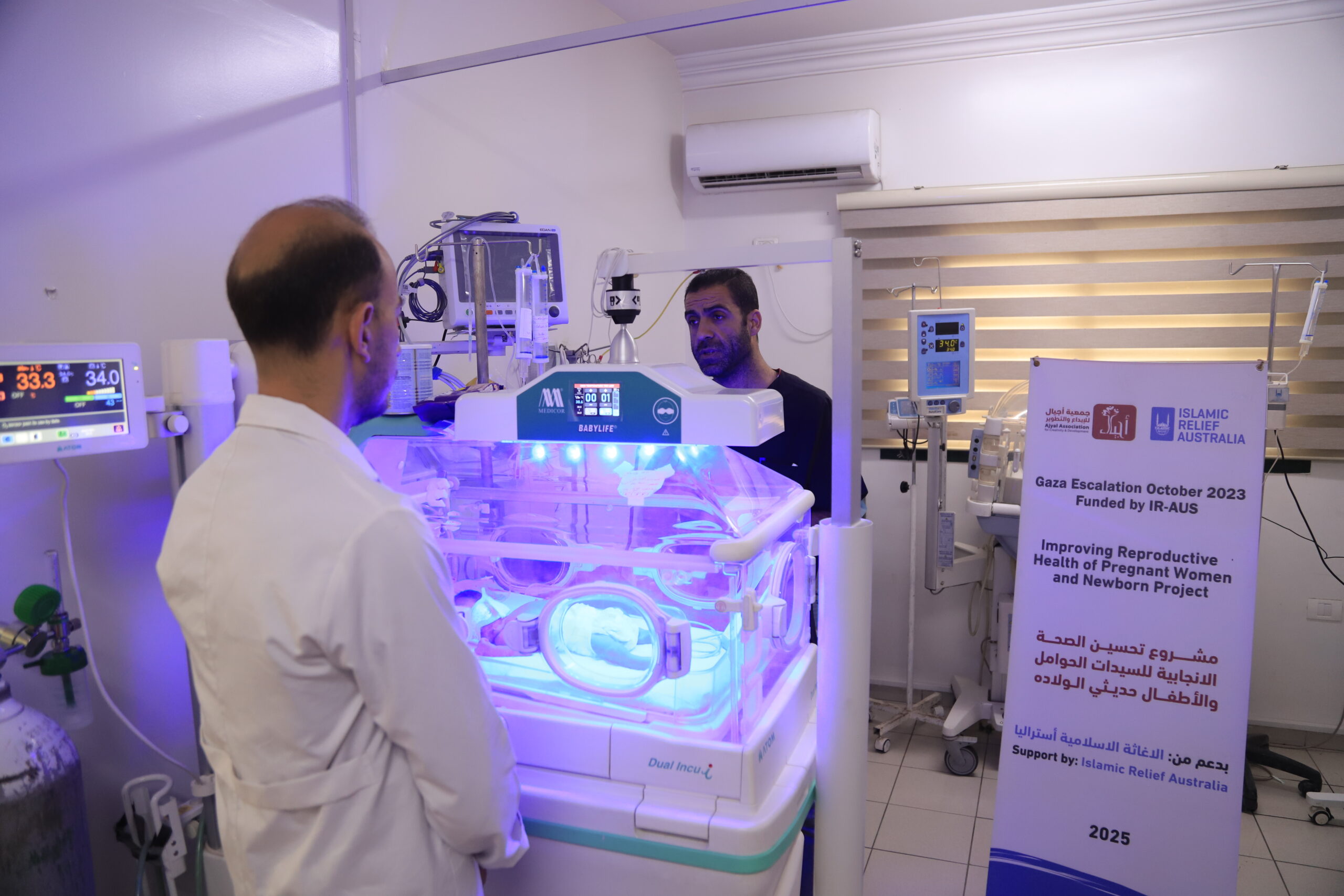
Israel’s assault and blockade have turned Gaza into the worst place in the world to give birth. Pregnant women, new mothers and young babies face starvation and extreme malnutrition. Doctors report a massive rise in miscarriages. Medics have been killed and displaced, and most hospitals have shut down. Those that remain open face critical shortages of medicine, fuel, and items such as incubators.


Islamic Relief is working with a local partner NGO to provide maternal care to vulnerable pregnant women and support two of the last remaining hospitals (Al Awda and Sahaba). This has saved the lives of many women and children and includes:

  • Providing comprehensive prenatal care such as weight monitoring, blood tests, fetal heart rate monitoring, ultrasound scans and imaging, and regular checks
  • Supporting and paying for deliveries, including Caesarean deliveries, which are increasingly necessary in Gaza, but many impoverished women cannot afford
  • Providing post-natal care, such as medicine and vitamins, for breastfeeding mothers
  • Supplying hospitals with essential medical equipment, such as incubators which are now largely banned under Israel’s blockade. We have provided hospitals with incubators that we brought into Gaza before 2023, and are still saving lives now

So far, 1,380 women are being supported with maternal care, including Alaa, who gave birth to triplet girls, which she described as “three tiny miracles”. At least 210 babies have been safely delivered through this project.

Most of Gaza’s banks are closed or destroyed, there is a severe liquidity shortage, and the scarcity of supplies means that prices have risen massively. We are using online banking systems to get cash in and pay suppliers, but access can be intermittent due to the lack of electricity and internet.


Giving people cash is one of the most effective ways that we are able to help vulnerable people right now. We transfer cash to families using the World Food Programme’s electronic payment system, which sends them a code via SMS or mobile app, which they can then use to pay at functioning supermarkets. This also helps people bypass the high fees charged by informal money lenders.


People can then use the cash to buy what they need most, such as food, medical care, shelter, water, or clothes.

The number of orphaned children in Gaza has massively increased since October 2023. We have expanded our Orphan Sponsorship Program from supporting over 7,000 orphans in October 2023 to more than 21,000 orphans today, and we are now trying to find sponsors for over 7,000 more.
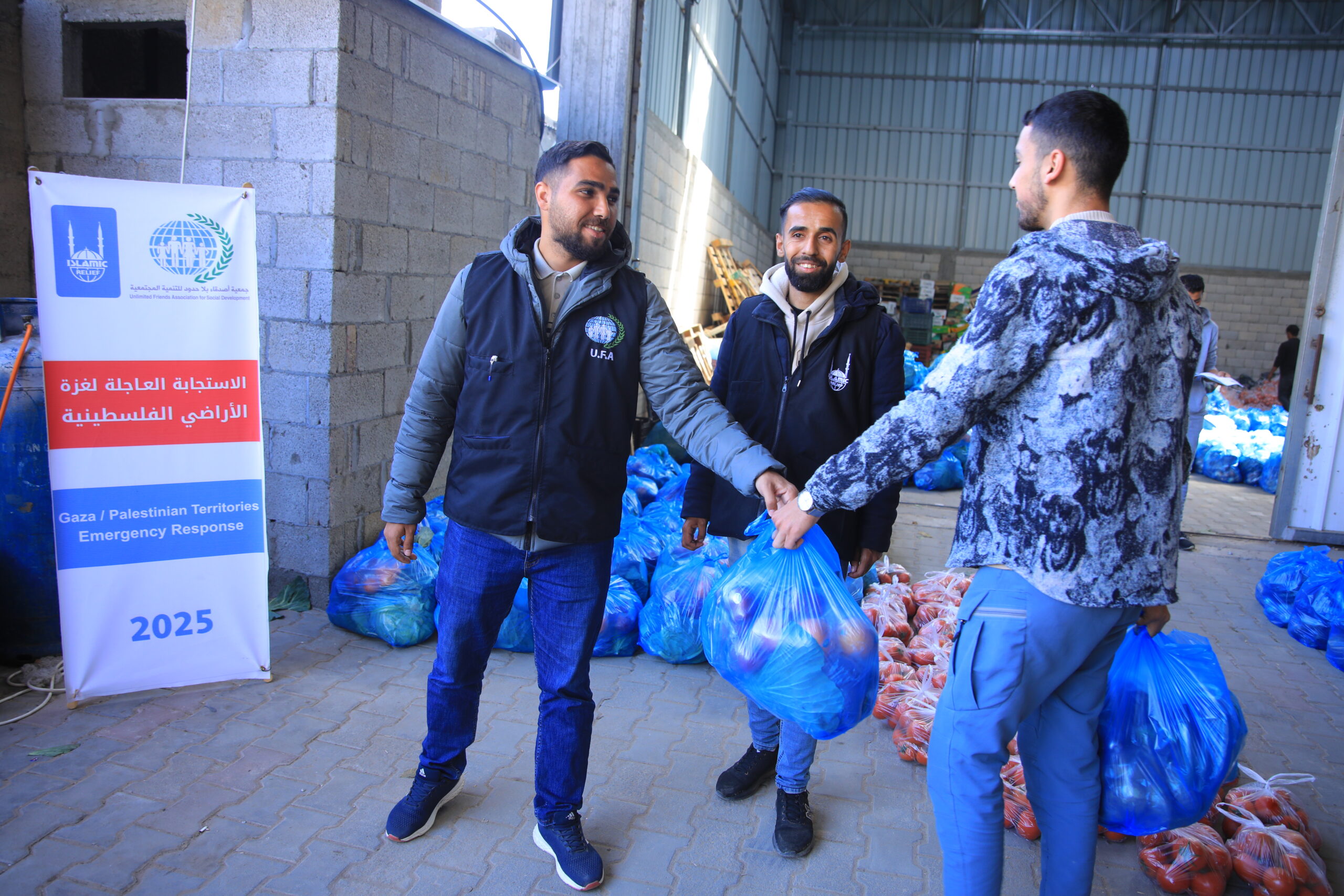
 

Their guardians or caregivers receive a monthly cash stipend, which they can spend on what the children need most. We also provide the families with other support throughout the year, such as Eid gifts, winter survival items and food parcels.

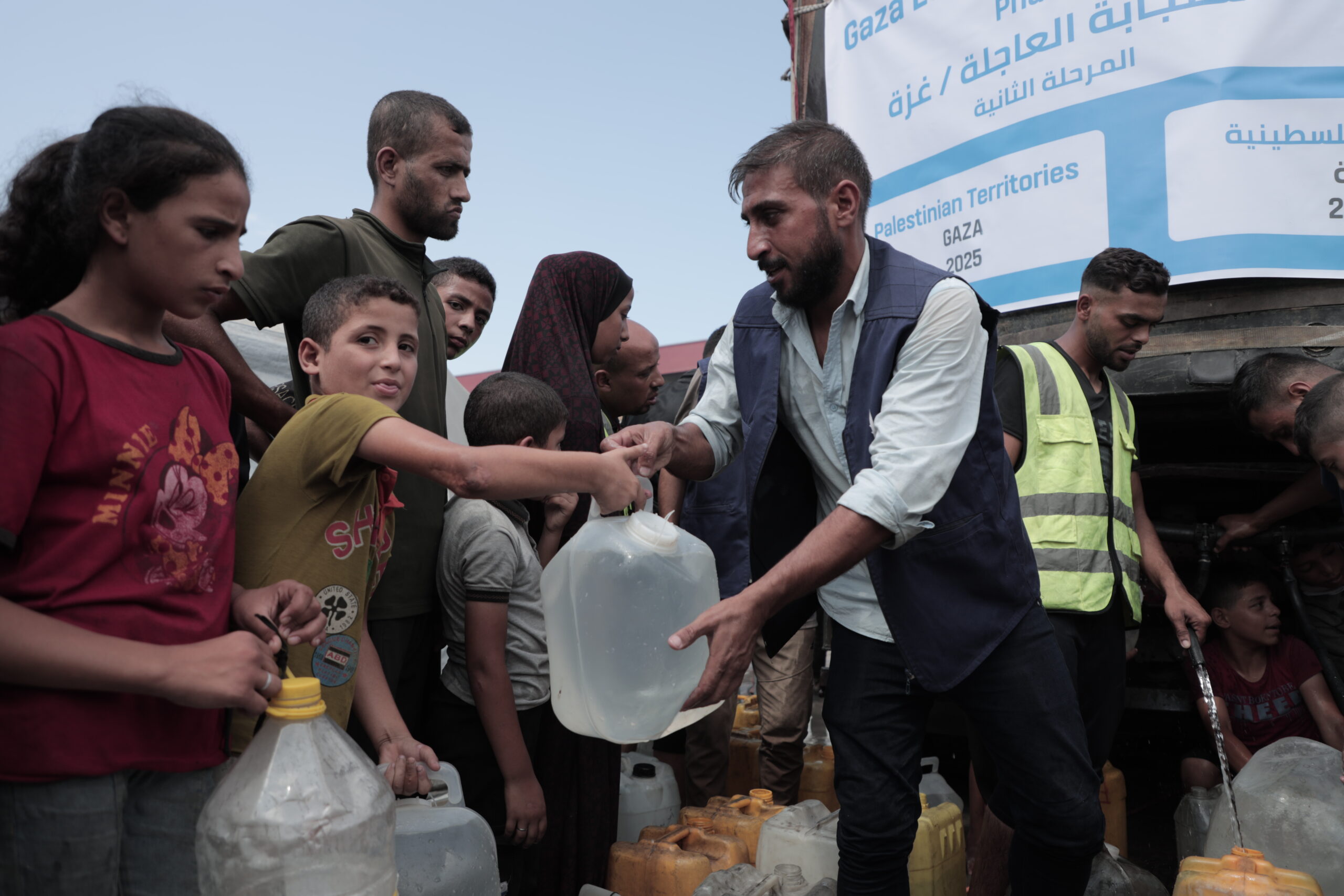
Throughout the crisis, we have delivered safe water to hundreds of thousands of people.


In September, we managed to truck over 350,000 litres of safe drinking water to displaced families in shelters in west Gaza, supporting around 15,000 people. However, Israel’s assault on Gaza City forced us to suspend these deliveries. We hope to resume these as soon as possible.


Throughout the crisis, we have also improved sanitation by constructing toilets and washing facilities in shelters for displaced people, conducted regular cleaning of 85 mass communal shelters, and distributed over 68,000 dignity and hygiene kits.

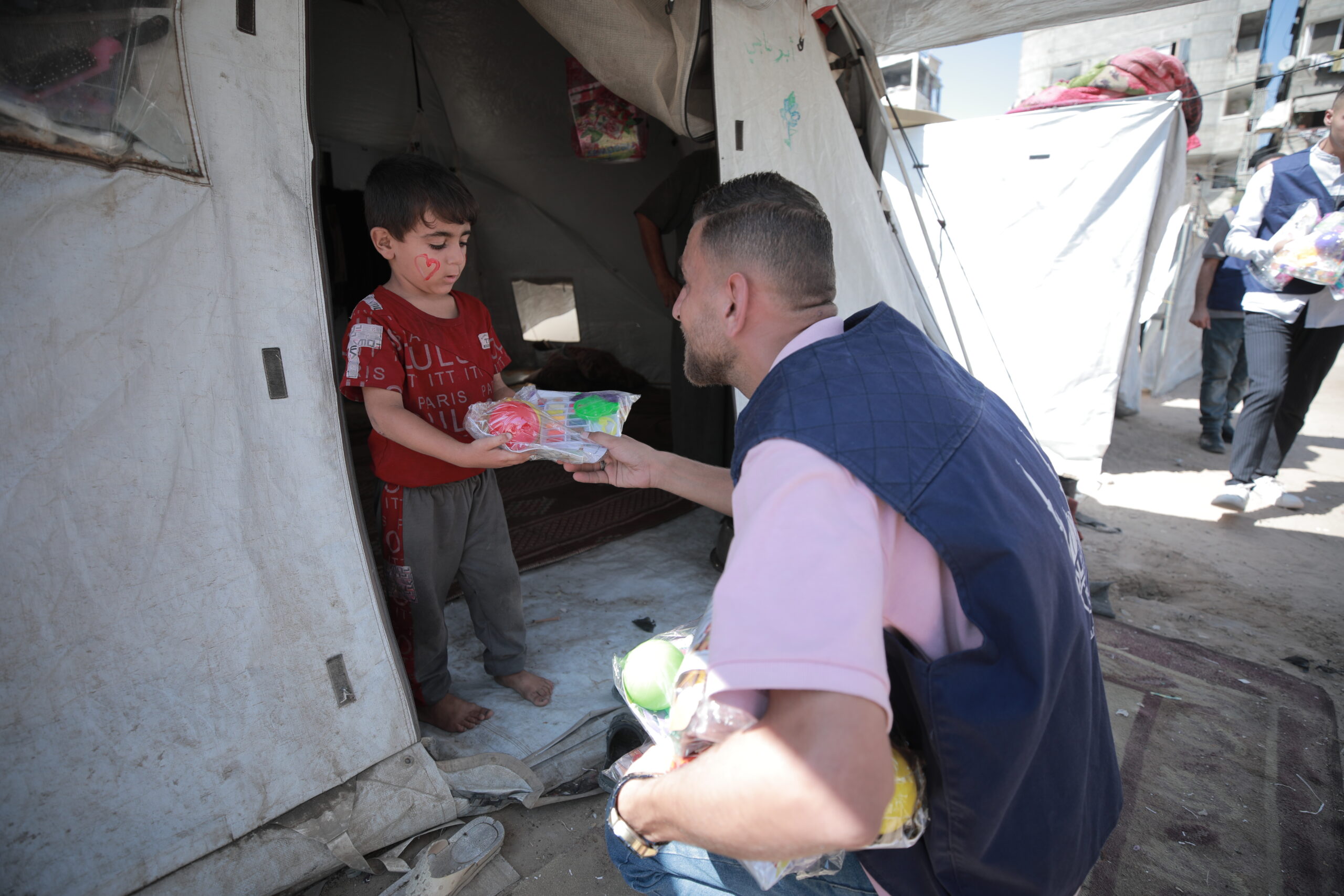
Since October 2023, we have provided psychosocial support for over 100,000 displaced children and over 500 women. This includes fun and creative activities such as play therapy and creative expression (art, music, dance, storytelling) that are designed to help children cope with stress and trauma, and family counselling sessions to help adults affected by grief and stress.


In August, we were able to run psychosocial support sessions and distribute toys for 150 girls and boys. We hope to scale this work up further in the coming weeks.

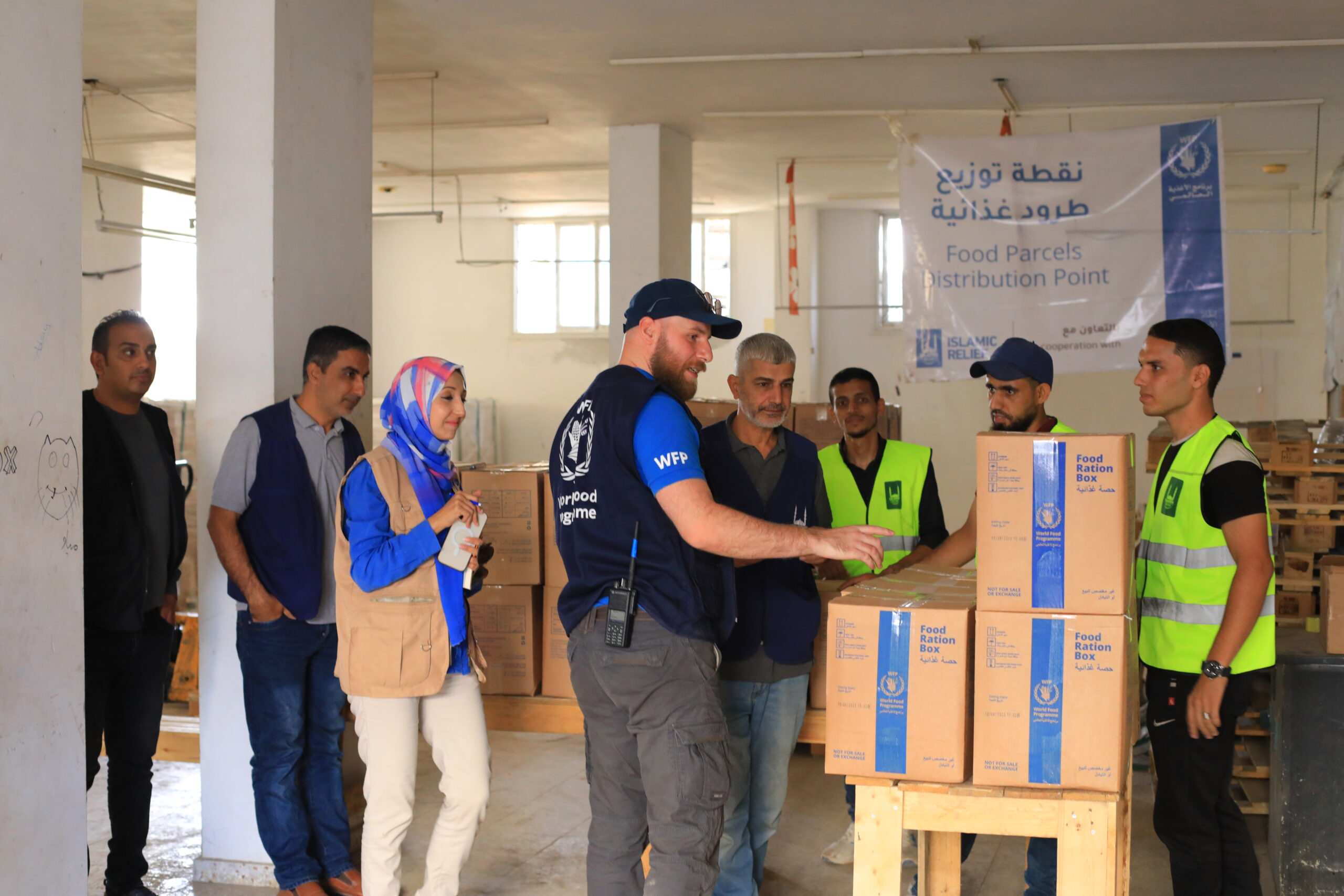
Islamic Relief’s partnership with WFP has been one of our biggest throughout this emergency. Together we have distributed over 71 million hot meals, 229,000 ready-to-eat food parcels, and nutritional supplements for 35,000 young children, pregnant women and breastfeeding mothers. Most of these activities had to be suspended due to the lack of supplies caused by the Israeli blockade.


We aim to resume delivering food parcels together in the coming days, as soon as supplies are available.


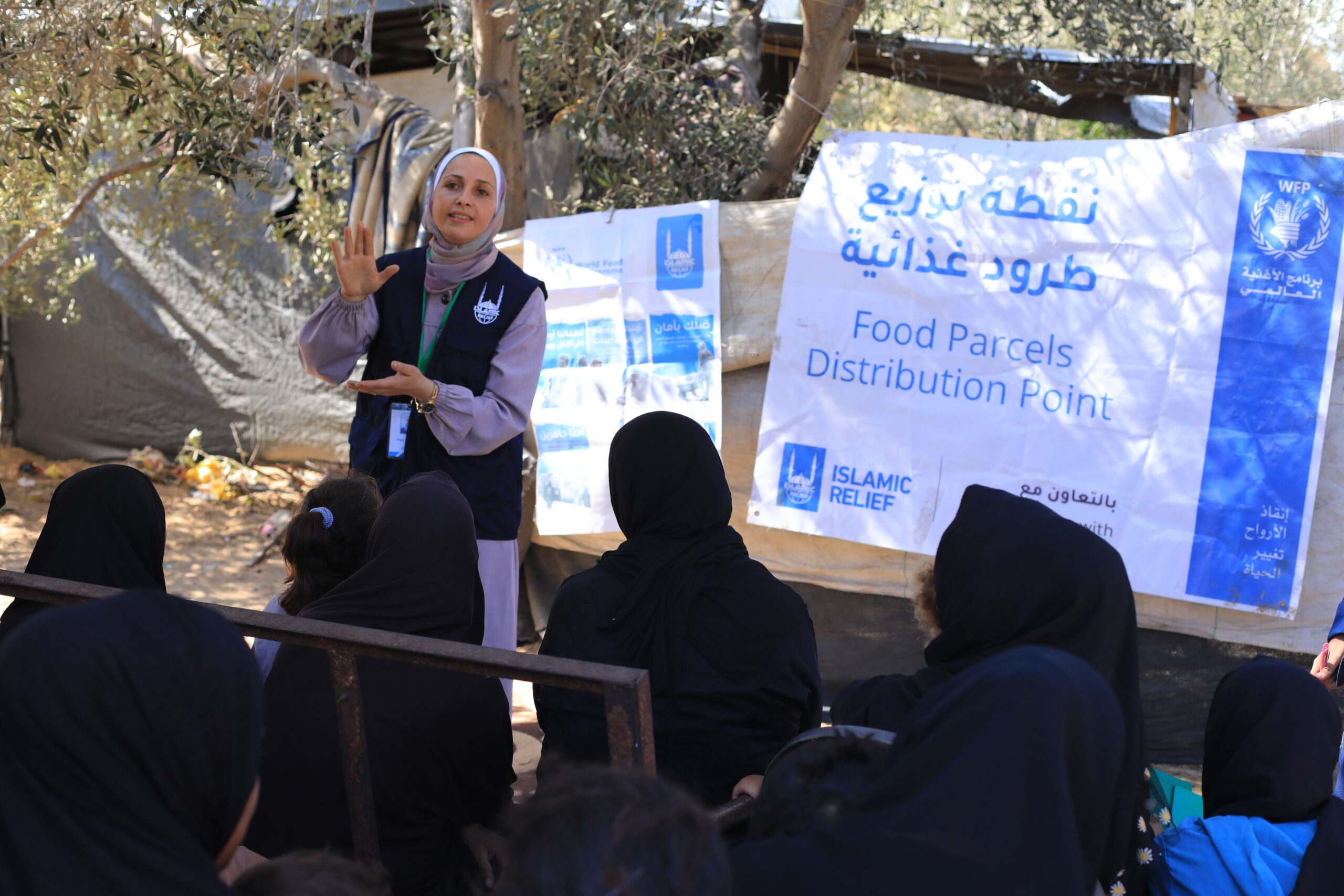
Right now, we are working with WFP to carry out community awareness sessions that aim to improve the safety of civilians by highlighting the vital importance of families staying clear of buffer zones and reducing looting of humanitarian trucks. These sessions are ongoing.

LATEST NEWS


STAY INFORMED

  • This field is for validation purposes and should be left unchanged.

Quick Donate